The Art of Standing Out: How to Build a Brand That Matters in a Crowded World
Take a look around. The digital world is a bustling, chaotic, and incredibly crowded marketplace. For any new business, especially in a popular category like coffee, the single biggest challenge is not creating a great product. It's getting anyone to notice it.
How do you stand out when you're a small startup competing against established giants and a thousand other hopefuls just like you? How do you capture attention, build a loyal following, and create a brand that matters, especially when you don't have a million-dollar marketing budget?
This is the central question for every modern entrepreneur. It's not just about having a great product anymore. It's about having a great story, a unique perspective, and a clever strategy to cut through the noise.
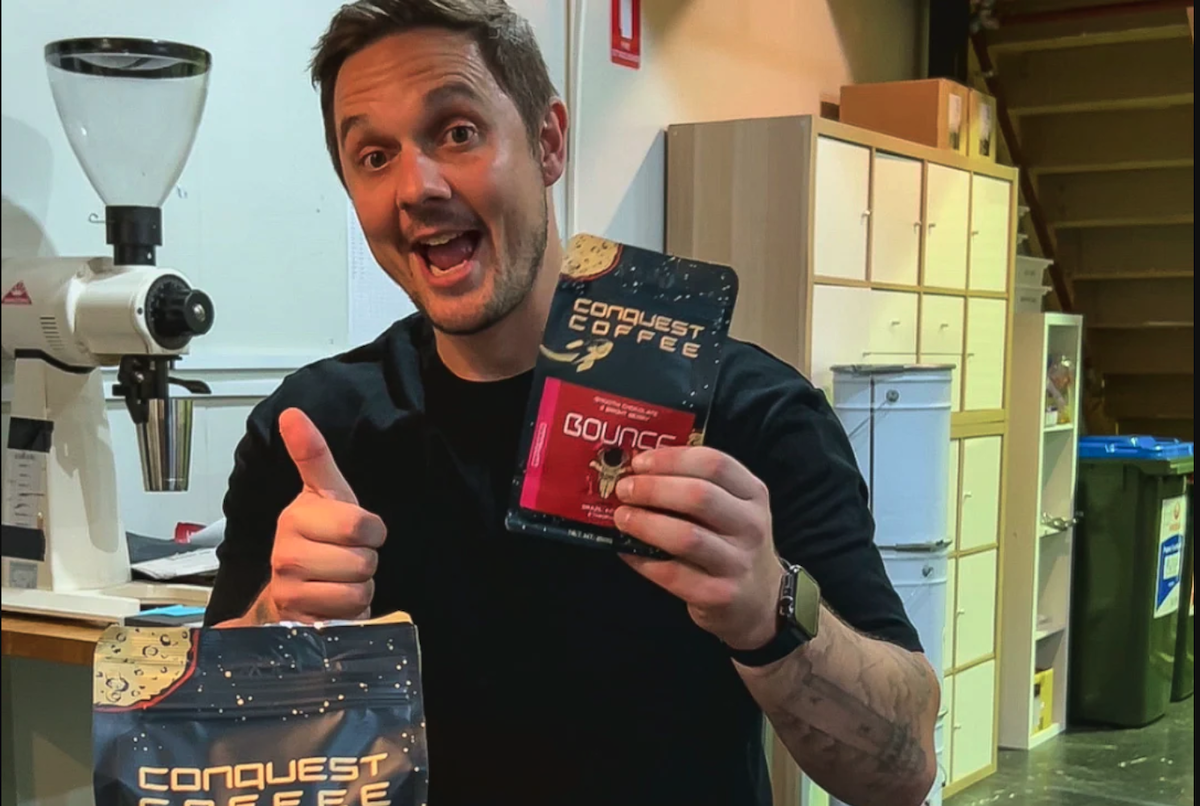
This exact challenge was at the heart of a wonderfully upbeat and idea-packed conversation I had on my podcast with Anthony. Anthony has a fantastic, great-looking coffee brand primarily aimed at the millennial market. He has the passion. He has the product. But he came to our chat with the crucial question: "How do I stand out?"
Our conversation became a high-energy brainstorming session, where I was able to share some of my favourite, highly cost-effective marketing ideas. We talked about powerful alternatives to expensive paid media, the secrets to building a true "tribe" around your brand, and how to forge strategic partnerships that can pour rocket fuel on your growth.
Today, inspired by Anthony's drive, I want to give you my definitive guide to getting noticed, building a community, and creating a brand that people don't just buy from, but believe in.
The Foundation - Your "Why" is Your Unfair Advantage
Before we talk about any marketing tactics, let's start with the most important truth: in a crowded market, the only truly unique thing you have is your story.
Anyone can sell coffee. There are thousands of businesses selling roasted beans. You cannot win by simply saying "our coffee is delicious." Your competitors are saying the exact same thing.
You must find a deeper "why." What is the unique belief, mission, or perspective at the heart of your brand?
- Is your "why" about ethical sourcing and supporting farmers?
- Is it about creating a moment of mindful ritual in a busy millennial's day?
- Is it about a rebellious spirit, challenging the old, stuffy coffee culture?
- Is it about fuelling creativity and late-night hustle?
Your "why" is the soul of your brand. It's the reason you exist beyond just making a profit. And it is the single most powerful tool you have to stand out. Why? Because while products can be copied, your authentic story cannot.
Once you are crystal clear on your "why," every marketing decision becomes easier. You're not just selling coffee; you're selling a belief system. And people are far more loyal to beliefs than they are to products.
The Alternative to Paid Media - How to Earn Attention, Not Just Buy It
Anthony's challenge is a common one. As a startup, you can't outspend the big players on Google and Facebook Ads. Trying to do so is a fast path to burning through your cash. You must be smarter. You have to earn attention, not just buy it.
Here are some of the powerful, cost-effective ideas we discussed:
1. Content that Serves, Not Just Sells:
Instead of creating ads that shout "Buy our coffee!", create content that is genuinely useful and interesting to your ideal customer. For a coffee brand targeting millennials, this could be:
- The Ultimate Guide to Brewing Better Coffee at Home: A series of short, stylish videos or a beautiful blog post that teaches people how to use different brewing methods (AeroPress, V60, etc.).
- "The Founder's Grind": A podcast or interview series where you talk to other young entrepreneurs (who are likely your target customers) about their morning routines and how coffee fuels their creativity.
- City Guides: "The Top 5 Co-working-Friendly Cafes in Melbourne that Serve Great Coffee."
This strategy positions you not as a seller, but as a trusted expert and a valuable resource. It builds an audience that comes to you for your knowledge, and they will naturally become customers because they trust you.
2. The Power of User-Generated Content (UGC):
Your customers are your best photographers and most authentic marketers. You need to build a system to encourage them to create content for you.
- Create a "Shareable Moment": Your packaging is a key part of this. Is it beautifully designed? Does it have a fun or inspiring quote on it? Make it something people want to photograph and share.
- Run a Contest: Create a unique, memorable hashtag. Run a monthly contest for the "Best Brew" or the "Most Creative Coffee Moment." The prize can be simple—a free bag of coffee, some merchandise.
- Celebrate Your Community: Feature the best UGC on your own social media channels (with credit, of course). This makes your customers feel seen and celebrated, and it turns them into passionate advocates for your brand.
From Customers to a "Tribe" - The Art of Community Building
People don't just want to buy things anymore; they want to belong to something. One of the most powerful ways to stand out is to stop thinking about your audience as a list of customers and start thinking of them as a "tribe" of like-minded people.
You are not just the coffee supplier; you are the leader of the tribe.
- Create a Gathering Place: This could be a private Facebook group, a Discord server, or a special section of your website for "members." This is a place where your most passionate fans can connect with each other, share their passion for coffee, and have a direct line to you.
- Offer Exclusive Access: Give your tribe special perks. They get to try new roasts first. They get access to exclusive "ask me anything" sessions with you or your head roaster. They get invited to special virtual or in-person events.
- Give Them a Name and an Identity: Give your community a name. Are they the "Brew Crew"? The "Grind Tribe"? This creates a shared identity and a sense of belonging.
When you build a true community, your business becomes incredibly resilient. Your tribe will stick with you, defend you, and be your most powerful engine of growth.
The Collaboration Engine - How to Find and Forge Powerful Partnerships
This was a key area Anthony and I workshopped. For a startup, strategic partnerships are the ultimate growth hack. It's about finding other businesses who already have the trust of your ideal customer and finding a creative way to work together for mutual benefit.
Where to Find Partners:
Think about your ideal millennial coffee drinker. What else are they buying? What other brands do they love?
- Co-working Spaces: These are literally filled with your target audience.
- Artisan Bakeries and Donut Shops: Coffee's best friends.
- Boutique Tech Gadget Companies: Brands that focus on productivity and design.
- Independent Bookstores: The classic combination of coffee and a good book.
- Lifestyle and Fashion Brands that align with your aesthetic.
What a Partnership Might Look Like:
- The Product Bundle: Partner with a bakery to create a "Perfect Morning" box with your coffee and their pastries.
- The Giveaway: Team up with another brand for a major giveaway on social media. You both contribute products to the prize pack and promote it to your respective audiences, cross-pollinating your followers.
- The Content Collaboration: Co-host a webinar or an Instagram Live with the founder of a complementary brand. For Anthony, this could be a session with a productivity expert on "How to Design Your Perfect Morning Routine."
- The "Pop-Up": Do a pop-up coffee bar at a co-working space or inside a partner's retail store for a weekend.
The key is to approach potential partners with a clear idea of how the collaboration will provide value to their audience, not just yours.
An Upbeat Conversation Full of Ideas
Our full conversation on the podcast was a whirlwind of practical, actionable marketing ideas. We took Anthony's brilliant brand and started building a strategic, cost-effective roadmap for how he can cut through the noise and stand out. It’s a real-time example of how a few smart, creative ideas can be more powerful than a huge marketing budget.
Standing Out is an Act of Imagination
In a crowded world, the battle for attention will not be won by the company with the biggest budget. It will be won by the company with the most imagination, the most empathy, and the most authentic story.
Stop trying to out-advertise your competitors. Start trying to out-serve, out-connect, and out-care them.
Build your brand on a foundation of purpose. Earn attention by providing genuine value. Transform your customers into a thriving community. And use creative partnerships to pour rocket fuel on your growth.
This is how you stand out. This is how you build a brand that people will not only notice, but will fall in love with.
Frequently Asked Questions on How to Stand Out
1. What is the biggest challenge for a brand trying to 'stand out' in today's crowded market?
The biggest challenge is overcoming the noise of infinite content abundance and the rise of AI-generated content. To truly 'stand out,' a brand must move beyond superficial differentiation (like low price or flashy ads) to establish unassailable authority and authenticity. Success lies in having a crystal-clear, unambiguous value proposition and consistently delivering verifiable experience (E-E-A-T) that no competitor or AI can easily replicate.
2. What is the fundamental difference between simply being 'different' and truly 'standing out'?
Being 'different' is a temporary tactical move (e.g., a new colour or a limited-time offer). Truly 'standing out' is a strategic position built on a unique and enduring value proposition that the market recognizes and trusts. This distinction requires an unwavering focus on solving a core customer problem, having a strong internal culture, and building an ecosystem that supports long-term customer loyalty and positive reputation.
3. How does a leader's personal brand contribute to the company's ability to stand out?
A leader's personal brand provides the essential human face and authentic experience that distinguishes the company from faceless competitors. The founder's story, values, and demonstrated expertise (their personal E-E-A-T) inject immediate credibility into the brand. This human connection is crucial for attracting early-stage customers and talent, acting as the magnetic North Star that the corporate brand can then scale through consistent systems and communication.
4. Why is a 'Less is More' philosophy essential for achieving clarity and helping a brand stand out?
A 'Less is More' philosophy is essential because it forces the brand to ruthlessly simplify its messaging and offerings. In a crowded market, complexity is confusing and confusing brands get ignored. By focusing on a single, core value proposition and removing unnecessary features or offerings, the brand achieves unambiguous clarity, making its unique selling point easy to understand, articulate, and remember, which is the ultimate key to standing out.
5. What practical advice do you offer for converting a moment of difference into a sustainable competitive advantage?
To convert a moment of difference into a sustainable advantage, you must embed the difference into your systems and culture. Don't let your uniqueness remain a manual, fleeting effort. Document the unique value delivery as a repeatable process, reinforce the behaviour through employee recognition, and ensure your strategic plan allocates capital to constantly improve the system that delivers the unique value. This ensures your advantage is repeatable, scalable, and difficult for competitors to copy.