Why Australia’s Small Business Backbone Needs More Than Just ‘Resilience’
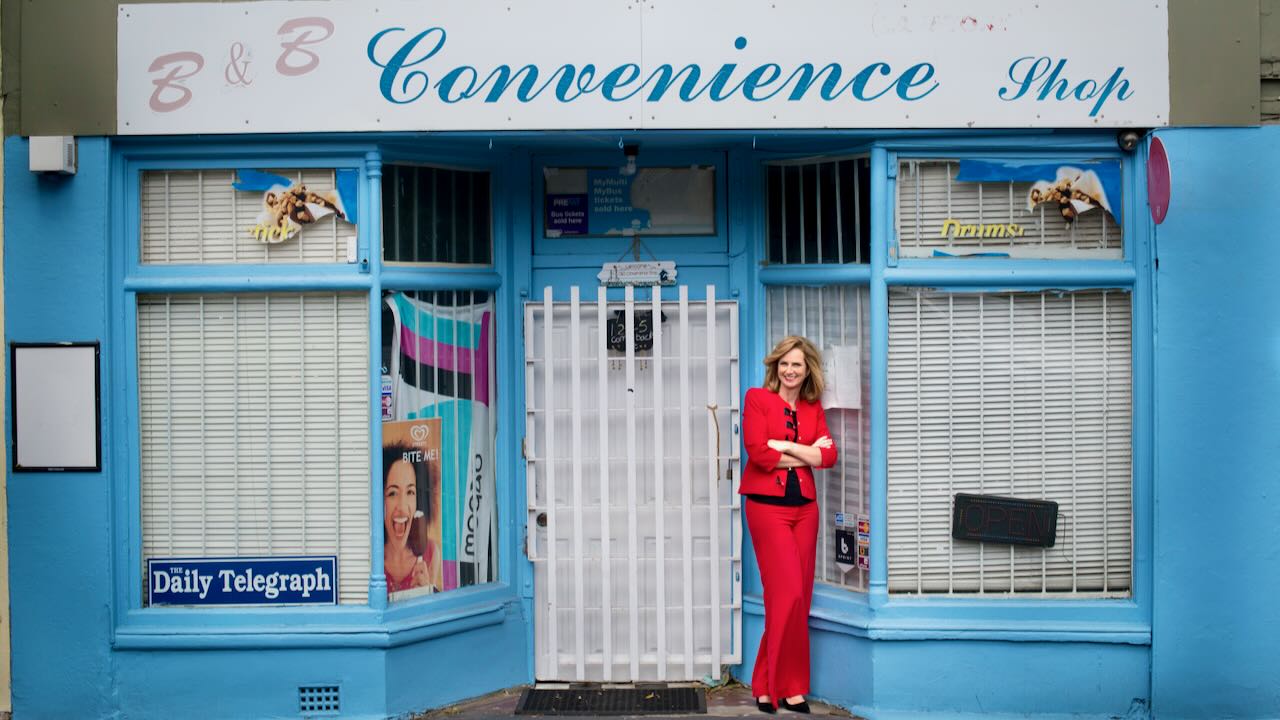
Wander around any local neighbourhood shopping strip in Australia right now, and you’ll likely see the same thing I do: an increasing number of empty windows and derelict shopfronts.
It’s heartbreaking. For twenty-five years, my mission has been to support the "backbone of our country"—those 2.6 million small businesses that provide the character, the jobs, and the lifeblood of our communities. But the latest data from the February 2026 Sydney Morning Herald and the MYOB Bi-Annual Business Monitor paints a stark, challenging picture that we can no longer ignore.
The Hard Truth in Numbers
The data shows that we aren’t just looking at a "rough patch"; we are looking at an operating environment that has become disproportionately difficult.
- Stagnant Revenue: 80% of SMEs reported that their revenue decreased or remained stagnant at the end of 2025.
- The Profit Squeeze: 64% recorded lower profits over the last year, driven by the skyrocketing costs of fuel, utilities, insurance, and labour.
- The Ultimate Sacrifice: Perhaps most tellingly, 60% of small business owners were unable to pay themselves at times during the year.
- The Exit Consideration: Almost half (approx. 50%) of all SMEs surveyed have considered closing or exiting their business in the past 12 months.
When nearly half of the people who keep our economy running are thinking about walking away, we have to ask: What happens to the soul of our communities if these doors stay closed?
The ‘Mental Load’ of Ownership
Doreen Brown, founder of Let’s Get Visible, noted in the SMH article that costs have increased across every area, yet consumers are becoming more cautious and slower to buy. This creates a "decision cycle" that stretches out indefinitely, leaving business owners in a state of constant uncertainty.
This isn't just about balance sheets; it’s about human beings. When 43% of owners report high stress and 35% report clinical anxiety, we are seeing the emotional toll of carrying the mental load of financial pressure, administration, and marketing all at once.
From Survival to Stability: The Path Forward
In my experience, from the shop floor to the C-suite, I know that resilience alone isn’t a strategy. Resilience needs a framework. To move from "survival mode" back into "planning mode," we need a three-pronged approach:
- Simplification and De-risking: As Matthew Addison of COSBOA rightly pointed out, complexity is the enemy. We need simplified compliance and reporting. Every hour an owner spends on "red tape" is an hour they aren't spending on their customers.
- Digital Capability as a Lever: Investment in digital capability isn't a luxury anymore; it’s the primary way to gain efficiency. Systems and processes are what set you free from the admin chaos. If technology can handle the tasks, people can handle the relationships.
- A Shared National Banner: We need sensible tax settings and practical support that acknowledges the unique pressures of early-stage growth.
A Call to Action
To my fellow small business owners: I see you. I see the toil and the effort you put in every single day, often not knowing if a customer will walk through that door.
To the Australian community: I encourage you to get behind your favourite locals. Supporting small business isn't just about a transaction; it's an investment in the resilience of your own neighbourhood.
Australia is the "lucky country," but luck is what happens when preparation meets opportunity. Let’s make sure we provide our small businesses with the opportunity to do more than just survive—let’s give them the environment to thrive.
Frequently Asked Questions (FAQ)
1. What are the main pressures on Australian small businesses in 2026?
According to recent SME reports, the primary pressures include the rising costs of utilities and fuel, increased labour costs, and higher insurance premiums. Additionally, small businesses are struggling with stagnant consumer demand as decision cycles for buyers have stretched out significantly.
2. Why are half of Australia's small businesses considering closing?
Data from COSBOA and MYOB shows that lower profits and the inability for owners to pay themselves (affecting 60% of owners) have led nearly 50% of SMEs to consider exiting. The complexity of the operating environment and rising compliance costs have made sustainability a major concern.
3. How can digital tools help small businesses during an economic decline?
Investing in digital capability and automation can help SMEs reclaim time spent on administration. By systemising back-office tasks, owners can focus on high-leverage activities like customer relationships and innovation, helping to reduce "cognitive friction" and operational costs.
4. What is the current mental health state of Australian business owners?
Stress and anxiety are prevalent, with 43% of owners reporting high stress levels and 35% experiencing anxiety. This is attributed to the "mental load" of managing finances, marketing, and operations simultaneously amidst constant economic uncertainty.
5. What support is available for Australian small businesses to plan for the future?
Government initiatives mentioned in 2026 include the extension of the instant asset write-off, funding for small business support through the Fair Work Commission, and efforts to cut "red tape" and improve payment times to ensure SMEs have more cash flow certainty.