

The Price of a Sale
As an entrepreneur and long-time champion of small business, a piece of recent data has struck a nerve—and it’s not about the usual battle between big brands and the little guys. It's about a fundamental question of value, sustainability, and customer behaviour in a world increasingly conditioned by sales holidays.
The new research from global small business platform Xero reveals a powerful paradox: More than half of small businesses (58%) now see Black Friday as the biggest sales event of the year, yet in 2025, fewer small businesses are opting to participate. Why? Affordability concerns in a tough economy.
This raises a crucial, strategic question for every entrepreneur: In our quest for short-term sales boosts, are we inadvertently training our customers to undervalue our products and wait for the inevitable discount?
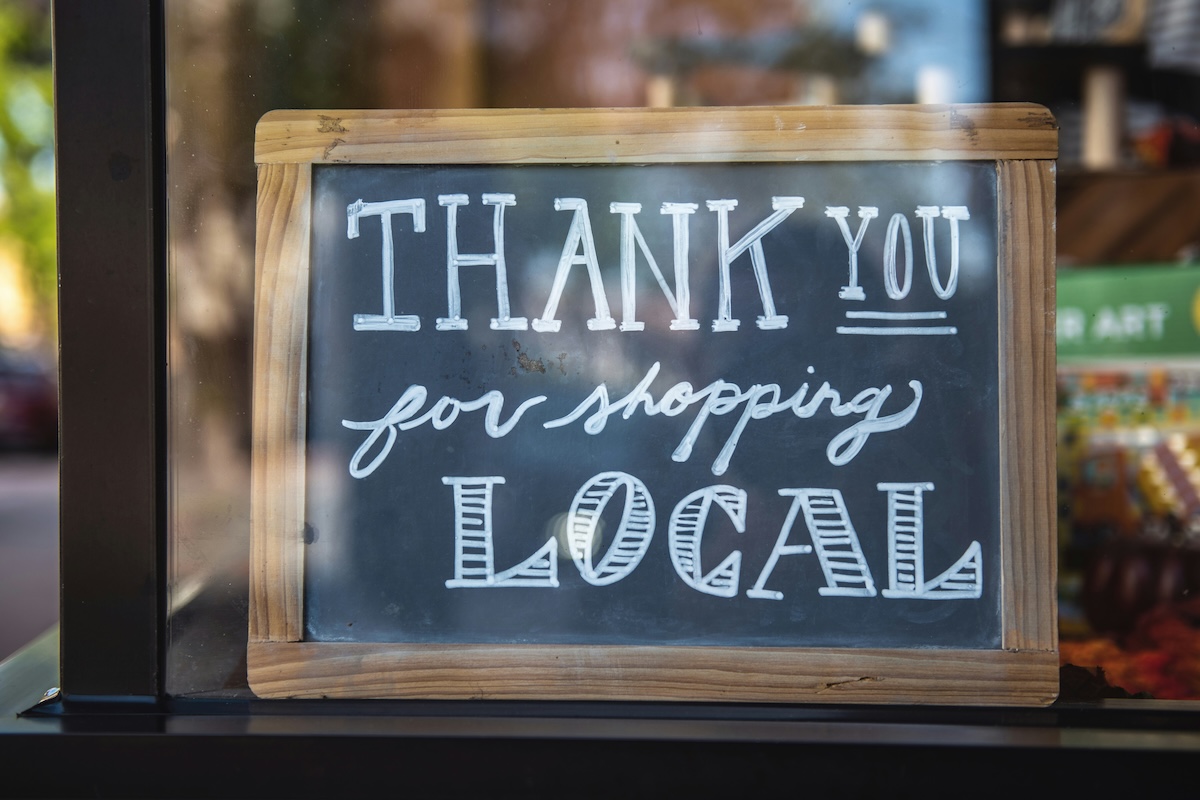
The Black Friday Paradox: High Pressure, High Risk
Black Friday has ballooned from an American import into Australia's primary retail event, overtaking the traditional Boxing Day sales. For small businesses, this expansion has come with intense pressure, fueled by big-box retailers with massive marketing budgets and deep-pocketed investors.
The Xero survey paints a stark picture:
- The Pressure Cooker: Almost two-thirds of Australian small businesses (64%) feel pressure to compete with big brands during Black Friday, a number that continues to rise year-on-year.
- The Opt-Out: Despite acknowledging its significance, only 39% of small businesses are committing to definitely taking part in 2025—a 22% drop since 2024. The main reason? Nearly a third (30%) simply say they cannot afford to offer discounts.
This isn't about a lack of ambition; it's about the brutal mathematics of cash flow. As Angad Soin, Global Chief Strategy Officer at Xero, noted, "Small business owners have to gamble the opportunity of increased sales against the real-world pressures of higher costs and tighter margins, all while protecting their day-to-day cash flow."
For founders like myself, who know every dollar counts, the risk is real. Short-term sales bumps that erode profit margins are not a pathway to sustainability; they are a dangerous form of short-sighted financial adrenaline.
The Value Equation: Beyond the Discount
The decision to discount must be a calculated, strategic move, not a desperate reaction to market noise. When a business relies on deep and frequent discounting, it sends two dangerous signals to the customer:
- Price is the Primary Value: It teaches customers that the value of your product or service is interchangeable with a lower-priced competitor, stripping away the unique value proposition you’ve worked so hard to build.
- Wait and Save: It trains customers to time their purchases solely around sales cycles, potentially starving the business of crucial cash flow throughout the rest of the year.
This is why, when assessing your sales strategy, you need to step back and ask: What is the true cost of my customer acquisition, and is this discount paying for a transaction or securing a loyal relationship?
The Xero data shows that motivations are shifting: 59% of participating businesses are aiming to attract new customers, and 45% are focused on building customer loyalty. These are excellent long-term goals, but they must be achieved without jeopardising the financial health of the business.

The Answer is Not Just 'Don't Discount'—It's 'Know Your Numbers'
To engage with a sales period like Black Friday from a position of strength, small business leaders need to adopt a strategic, data-driven approach.
As Xero's Angad Soin correctly points out, "To discount or not to discount must be a strategic decision, not reacting to short-term pressure and instead building a healthy business all year round."
The only way to make this decision strategically is through real-time financial visibility.
My Call for Data-Driven Decision Making:
- Understand Your True Margins: Do you know your exact cost of goods sold (COGS), operational expenditure, and the true profit margin of every product? If a discount pushes you below a sustainable margin, it is a liability, not an asset. Digital tools, such as Xero Analytics, provide the real-time cash flow insights that turn a "pressured discount" into a calculated, strategic move you know you can afford.
- Define Your Discount Purpose: Your discount must serve a clear, measurable business purpose. Are you clearing old inventory? Are you incentivising a first-time high-value customer with a long-term retention goal? Are you securing revenue during an off-peak period? If the discount is simply to match a competitor, it lacks strategic purpose and can damage your brand.
- Use Digital Tools for Precision: The days of guessing on stock and sales performance are over. Integrating tools like Xero with inventory management platforms (such as Cin7) allows small businesses to streamline operations and make smarter stock decisions. This precision is critical before peak sales periods—it ensures you have the right stock to maximise profits from your most popular items and liquidate stock only where it’s strategically necessary.
The Enduring Power of Value and Connection
For the 25% of small businesses who believe their customers will support them regardless of a discount, their confidence lies in the power of true value and authentic connection.
As I've preached throughout my career—from RedBalloon to the boardroom—AI is for tasks, relationships are for people. This mantra applies perfectly to the small business economy.
- Small Businesses are Community Champions: They are the heart of our communities, providing local employment, unique products, and authentic service that the big brands cannot replicate. They offer a human connection and a superior experience that customers are willing to pay for.
- The Non-Price Value Proposition: What is the value customers receive from your business that has nothing to do with price? Is it personalised service, bespoke expertise, unique curation, or a deep commitment to social or environmental purpose? This "non-price value" is your greatest protection against the pressure of the discount culture.
I believe in supporting local businesses because they are the resilient backbone of our economy. When a business leader focuses on building that long-term value, when they clearly communicate their purpose and deliver an unforgettable experience, they create a customer base that is loyal year-round.

A Call to Action for Founders and Customers
For Small Business Owners:
Don't let the noise of Black Friday push you into a reactive state. Use your digital tools to gain real-time clarity on your cash flow and margins. Make your pricing a strategic move, not an act of desperation. Focus on building value, integrity, and a customer experience that no discount can replace.
For Australian Consumers:
I urge all Australians to get behind their favourite small businesses. By all means, seek out the discounts, but remember to support local not just during sales events, but throughout the year. When you pay a fair price to a small business, you are investing in your community, supporting livelihoods, and ensuring the continued diversity and vibrancy of our economy.
The most profitable asset for any business is a customer base built on trust and value, not just the fleeting excitement of a bargain. Let's make sure we are training our customers to appreciate and reward that value, all year long.
Frequently Asked Questions (FAQs) on Are We Training Our Customers to Wait for the Discount?
What is the main risk of offering too many discounts?
The main risk of frequent discounting is that you train your customers to devalue your product or service. They learn to wait for a sale, which erodes your profit margins and makes it difficult to ever sell at full price. This conditions the market to believe your standard price is not the "real" price.
How does a discount-driven strategy affect brand perception?
A strategy built on constant discounts can significantly damage brand perception. It can position your brand as a low-cost or bargain option, diminishing its perceived quality and exclusivity. Premium brands, in particular, risk losing their aspirational status if they rely too heavily on sales to drive revenue.
Do discounts help build long-term customer loyalty?
While discounts can attract new customers, they rarely build true, long-term loyalty. Customers acquired through a sale are often loyal to the deal, not the brand. Genuine loyalty is built on a foundation of excellent customer service, a superior product, and a strong brand connection, not on price alone.
What are some effective alternatives to discounting?
Effective alternatives to discounting include adding value, not reducing the price. Consider offering a free upgrade, bundling products, providing a gift with purchase, or creating an exclusive loyalty program with non-monetary rewards. These strategies build goodwill and differentiate your brand on service and value rather than price.
When is it a good time to strategically use a discount?
Strategic discounting can be effective for specific, clear purposes. Good examples include clearing out old inventory to make way for new stock, rewarding loyal customers with an exclusive offer, or driving trial for a brand-new product launch. The key is to use them sparingly and with a clear business objective in mind.