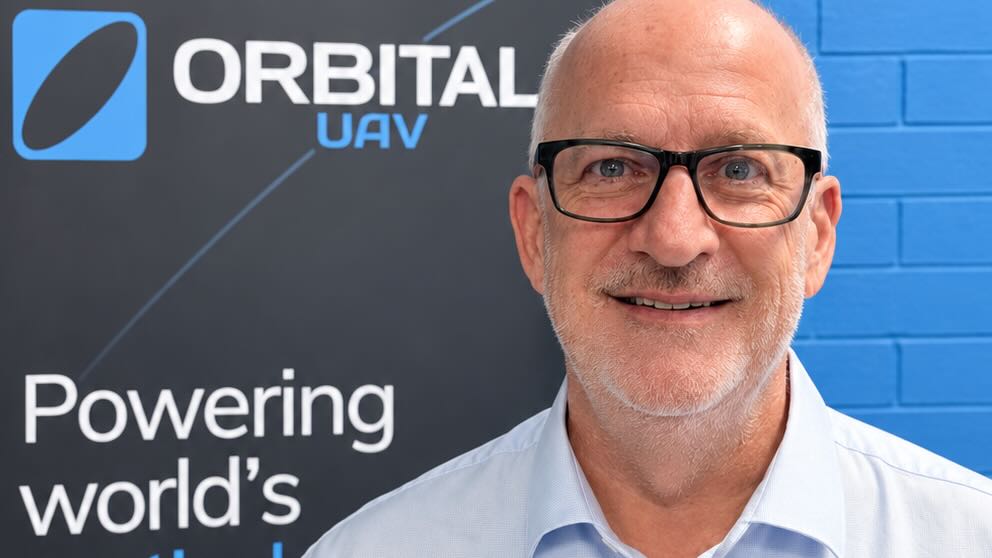

How Mark Woodland is solving Australia's biggest challenges in healthcare, education, and housing
Netflix started because people hated paying late fees on video rentals. Uber emerged from frustration with unreliable taxis. RedBalloon was born from the challenge of finding meaningful gifts for people who have everything.
The pattern is clear: the best business opportunities hide in the pain points that frustrate entire industries.
In the latest episode of Handpicked Season 6, Naomi Simson sits down with Mark Woodland, a serial entrepreneur who has built not one but two successful businesses by eliminating administrative burdens. His first company, Explore, automated the endless paperwork that kept teachers from teaching. After selling to private equity in 2020, Mark launched Kismet—a healthcare technology platform automating the overwhelming admin that families face when caring for aging parents.
The Sandwich Generation Crisis: When Admin Steals Time from Care
Mark identifies a growing crisis in Australian families: the "sandwich generation." These are typically adult daughters caught between caring for aging parents and raising dependent children. The administrative burden is crushing.
"Usually you have an adult daughter now, which is usually the person that gets lumped with caring for the aging parents and then down to their dependent family, and they get quite overwhelmed with the administration," Mark explains in the podcast.
The result? A heartbreaking pattern: When aging parents pass away, these caregivers often feel relief—followed immediately by overwhelming guilt.
Kismet addresses this healthcare admin challenge by automating aged care coordination, NDIS support, DVA services, and both public and private health insurance management. The goal? Give families their time back to focus on what actually matters: spending quality moments with loved ones.
Where Business Opportunities Live: Following the Friction
As Naomi points out in the conversation, the best startup ideas emerge from identifying bottlenecks and pain points in existing systems. Mark's journey exemplifies this principle perfectly.
"If there's one thing that I think for anybody who's listening to this thinking they're going to start a business, it's usually where there's a pain point, there's a bottleneck. There's something that needs to be changed or improved," Naomi shares.
For Mark, the pattern was clear in both education and healthcare: professionals were drowning in paperwork instead of doing the work they loved. Teachers wanted to teach, not fill out forms. Healthcare workers and families wanted to care for loved ones, not navigate bureaucratic mazes.
This insight about where business opportunities hide is crucial for Australian entrepreneurs looking to build meaningful, scalable companies. The biggest pain points often lead to the most valuable solutions.
AI for Tasks, People for Relationships: The Future of Healthcare Tech
Naomi introduces a powerful framework during their discussion: "AI is for tasks and people are for the relationships."
This principle is transforming healthcare technology and aged care support. Mark shares how his sports doctor now uses AI assistance during consultations—the AI takes notes, populates documentation, and handles administrative tasks while the doctor focuses entirely on patient care.
This represents a fundamental shift in how we think about automation in healthcare. Technology shouldn't replace human connection—it should eliminate the barriers preventing that connection from happening. Kismet embodies this philosophy by handling appointment booking, payment processing, provider searches, and insurance management so families can focus on caregiving.
Building Thought Leadership: How to Engage Others in Nation-Building Challenges
Mark asks Naomi a crucial question for any entrepreneur working on significant problems: How do you engage friends, colleagues, and other entrepreneurs to focus on nation-building challenges in healthcare, education, and housing instead of "the shiny stuff"?
Naomi's answer centers on building authority and thought leadership:
1. Demonstrate Your Track Record – "Why should I listen to you? Oh, okay. She's done that for 25 years. Therefore, I have the authority because I have done it before." Your experience becomes your credibility.
2. Find the Right Platforms – Identify where your message will resonate. The platforms that work in startup phase may differ from those needed as you build structure and scale.
3. Enter Strategic Awards – Naomi built RedBalloon's early authority through recognition like the Fast 100, Telstra Awards, and Best Place to Work. "Getting noticed" through credible third-party validation builds momentum.
4. Celebrate Customer Wins – "It's never about us. It's always about how did I make life easier for that person?" When major customers like Xerox, Qantas, or Commonwealth Bank choose your solution, ask permission to share those success stories. Build your footprint through customer impact.
This approach to building business authority is particularly relevant for entrepreneurs tackling complex challenges in healthcare technology, education innovation, and housing affordability—areas where credibility and trust are paramount.
The Talent Crisis in Public Service: A Call for Innovation
When Mark asks what challenges Naomi would prioritize in healthcare, education, and housing, she identifies a fundamental issue: attracting talented people into public service sectors.
"How are people joining those industries? Have we got really great and clever people wanting to be part of our government, our public services?" Naomi asks. She describes meeting an aged care facility manager whose dedication and love for residents was extraordinary—and immediately wondered: "Could we clone you? How many more of you could we have?"
The challenge extends across sectors:
• Teachers facing curriculum overload and resource constraints
• Police officers needing better resources, training, and respect
• Healthcare workers drowning in administrative tasks
• Aged care professionals managing impossible workloads
Naomi argues we need to make these roles attractive to people with high EQ and strong commercial skills. New South Wales has pioneered bringing senior private sector leaders into major government departments, bringing commercial outcomes to public service. This hybrid approach represents a potential model for addressing the talent crisis.
The Next Big Opportunity: Reimagining Housing Affordability
Mark reveals a surprise that even his current investors don't know: he's planning to launch his next startup focused on housing affordability.
The problem he's identified? Australia's housing market offers only two options: renting (with no wealth accumulation) or traditional mortgages (increasingly unaffordable for younger Australians). "The way we look at wealth accumulation in this country and the opportunities that people don't really have anymore, I think there's a huge opportunity that sits in the middle there," Mark explains.
Naomi builds on this concept, discussing alternative ownership structures like 99-year land leases where buyers own the structure but not the land. Currently common in retirement communities, she asks: "What about young people? How do we get young people into housing that they want to live in that's reasonably close to where they're working?"
The barrier isn't just financial—it's regulatory. Current legislation sometimes categorizes innovative housing structures under outdated frameworks like caravan legislation. Creating viable paths to home ownership for younger Australians requires both innovative business models and structural reform.
This discussion reveals another crucial principle for Australian entrepreneurs: sometimes the biggest opportunities require changing the rules, not just playing better within them.
The Pattern of Purpose-Driven Entrepreneurship
What emerges from this conversation is a clear pattern in Mark's entrepreneurial journey:
1. Identify a pain point affecting a large population
2. Build technology that eliminates administrative friction
3. Give people time back to focus on what matters
4. Create both business value and social impact
This approach to meaningful entrepreneurship demonstrates that solving nation-building challenges can be both commercially viable and socially valuable. Mark's success with Explore proved this model works. Kismet is scaling it in healthcare. His future housing venture aims to prove it works in one of Australia's most critical sectors.
Lessons for Australian Entrepreneurs Looking to Make an Impact
This conversation between Naomi and Mark offers several crucial insights for entrepreneurs:
Follow the Frustration – The biggest business opportunities exist where people are most frustrated. Administrative burdens, inefficient processes, and systemic bottlenecks all represent potential goldmines for innovative solutions.
Focus on Time – In both education and healthcare, Mark's businesses give people their most valuable resource back: time. If you can save someone 10 minutes a day by eliminating a form, that's a compelling value proposition.
Build Authority Through Others – Don't just talk about how great your company is. Celebrate customer wins. Share impact stories. Let third parties validate your credibility through awards, partnerships, and testimonials.
Think Nation-Scale – The biggest problems in healthcare, education, and housing aren't just business opportunities—they're chances to shape Australia's future. Private enterprise can lead where public sector innovation struggles.
Remember: People Over Process – Technology should eliminate barriers to human connection, not replace it. The goal isn't just efficiency—it's enabling meaningful interactions and relationships.
Listen to the Full Conversation Now
Hear Naomi Simson and Mark Woodland discuss where the biggest business opportunities hide, how to build thought leadership in your industry, and why solving nation-building challenges creates both profit and purpose. This conversation will change how you think about identifying startup opportunities in Australia.