Why the Way We Do Business Events Has to Change
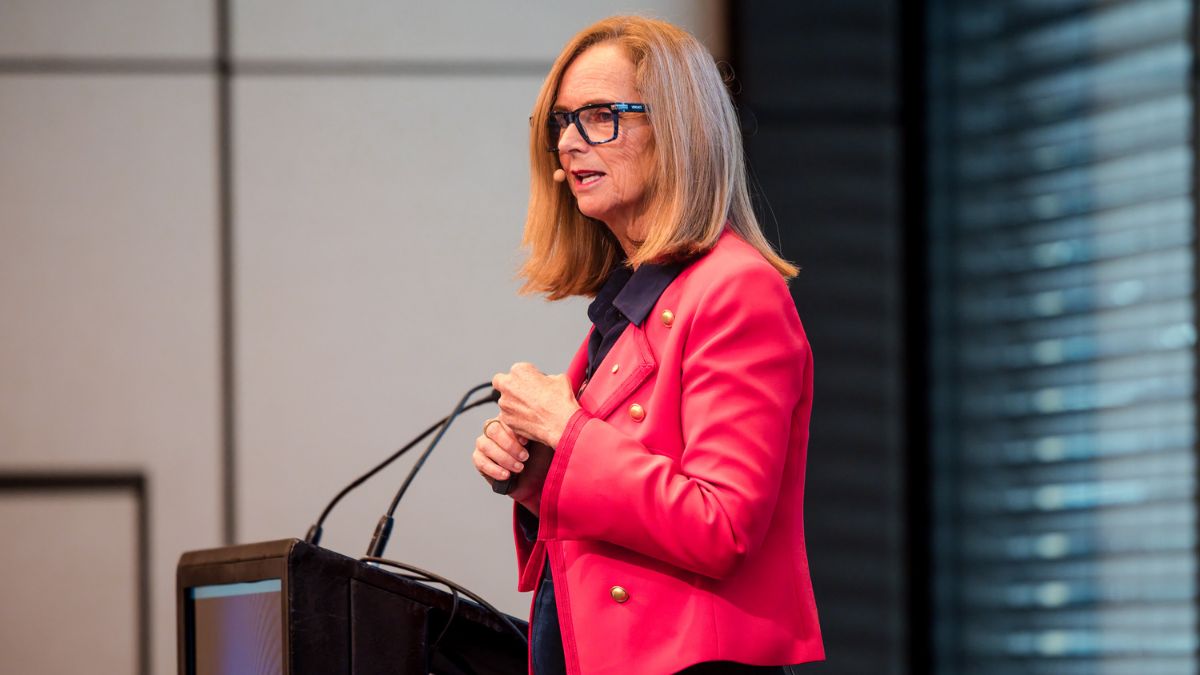
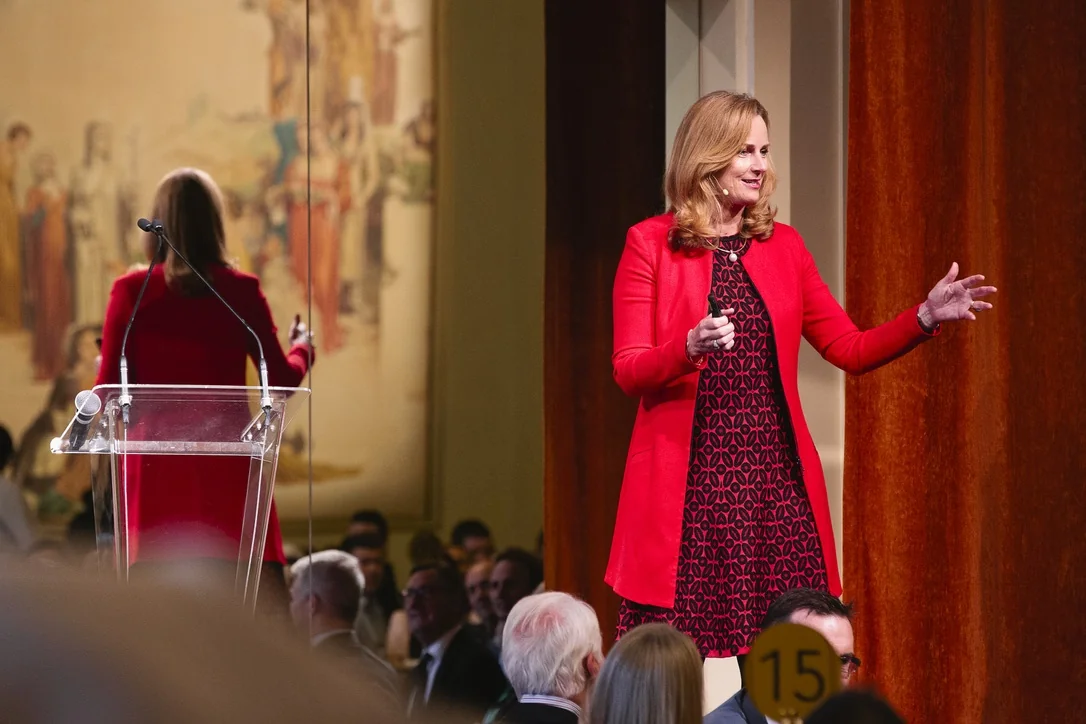
I have spent a lot of time on both sides of the stage. As a keynote speaker, I have had the privilege of addressing rooms of business owners, corporate leaders, and emerging entrepreneurs across Australia. As an entrepreneur and independent director, I have sat in countless audiences trying to work out whether the day I just invested was actually worth it.
Here is what I know for certain. The business event you ran in 2019 is not the business event your audience will accept in 2030. Expectations have shifted. Attention is scarcer. Budgets are tighter. And the measure of a great event is no longer “did they show up” but “did it change anything for them afterwards.”
At Big Red Group, we are in the business of experiences. I see every day how people choose to spend their time and money — and increasingly, they want meaning, connection, and proof that what they are doing is worth it. That same shift is happening in business events.
So what is actually changing? And what does it mean for leaders like you who speak at, book, attend, or run events? Here is my take on the six shifts that will define the future of business events.
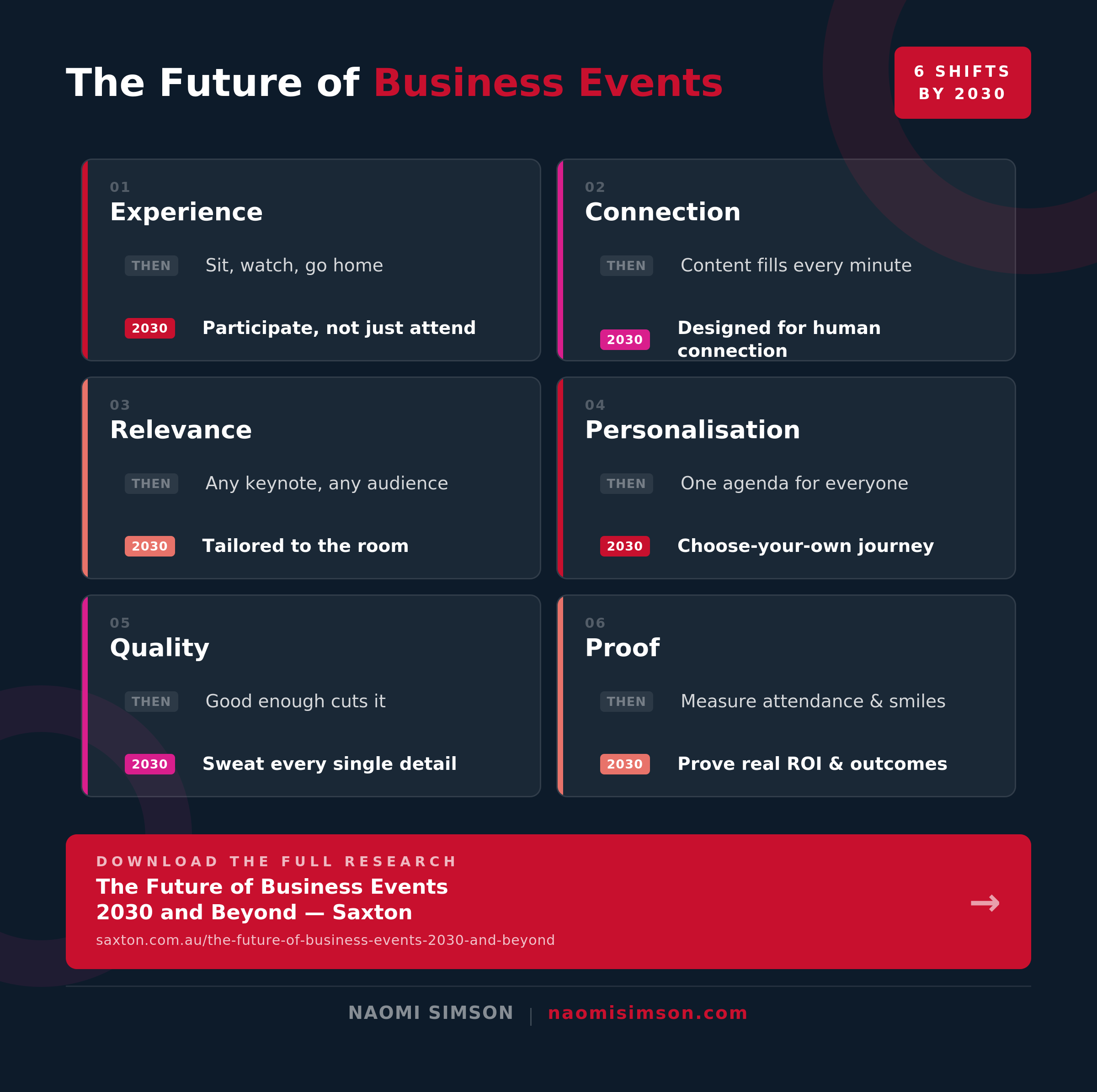
6 Shifts Reshaping Business Events by 2030
1. Experience — From Attending to Participating
The days of sitting in rows, listening to a stream of talking heads, and going home with a tote bag are over. People no longer want to be broadcasted at. They want to take part.
The events that will win in 2030 are the ones that treat the audience as participants, not passengers. That means fewer panels, more conversations. Fewer set-piece keynotes, more facilitated workshops. Fewer PowerPoint decks, more moments that people will actually remember on the drive home.
When I speak at events, the sessions that land hardest are the ones where I ask the room to do something — answer a question, share with the person next to them, make a decision out loud. That is where the energy lives. Event organisers who design for participation, not consumption, will be the ones people talk about.
2. Connection — The Real Reason People Show Up
Every post-event survey I have ever seen says the same thing. The number one reason people attend business events is not the content. It is the people. The conversations in the hallway. The coffee queue chat. The dinner where someone introduces you to someone who changes your year.
If that is true — and I believe it is — then the future of business events has to be designed around connection, not around content. That means more time for curated networking, smaller breakout groups, and intentional matchmaking between attendees who actually should meet. It means venues that help people bump into each other, not cavernous halls where you cannot find anyone.
Zoom taught us all a lesson during the pandemic. Content can be consumed anywhere. Connection cannot. If your event is not creating genuine human connections, attendees will start asking why they flew in at all.
3. Relevance — Speaking to the Room in Front of You
Generic content is dying. Nobody wants to sit through a keynote that could have been delivered at any industry, in any city, to any audience. The future of business events belongs to speakers and programmes that feel tailored to the specific room in front of them.
For me, that means doing my homework. Before I walk on stage, I want to know who the audience is, what they are struggling with this quarter, and what decisions they are trying to make. The best keynotes I have ever delivered were the ones where somebody came up afterwards and said “it felt like you were speaking directly to us.”
For event organisers, relevance means briefing speakers properly, curating agendas around real audience challenges, and being brave enough to cut sessions that do not serve the room. Generic programmes will feel lazier and lazier as audiences grow more sophisticated.
4. Personalisation — One Event, Many Journeys
The best events of 2030 will not feel like a single conveyor belt that everyone rides together. They will feel like a choose-your-own-adventure experience, where every attendee can build a day that serves their role, their level, and their goals.
This is already happening in the best conferences I attend. Parallel tracks for different seniorities. Curated content for first-time founders versus scaling operators. Pre-event surveys that shape the sessions suggested to each delegate. Apps that recommend who to meet based on shared interests.
If you run an event, ask yourself: does a twenty-five-year-old first-time founder get the same value as a fifty-five-year-old director with three exits behind them? If the answer is yes, you probably have not personalised enough. The future is segmented, not standardised.

5. Quality — Why Good Enough Is No Longer Enough
Post-pandemic, people are more selective about how they spend their time. If somebody is getting on a plane, leaving their family, and clearing two days of their diary, the event had better be worth it. Good enough no longer cuts it.
Quality shows up in every detail. Production values. The calibre of speakers. The care that goes into the food, the venue, the run sheet, the welcome experience. The moments between sessions. The follow-up after the last speaker walks off stage.
The most successful events I attend treat their attendees the way great hospitality treats guests — as people whose time is precious and whose experience matters. When I look at which events grow year after year in Australia, it is always the ones that sweat the details.
6. Proof — The New Standard for Event ROI
This is the shift I feel most strongly about. In 2030, no serious organisation will spend serious money on an event without asking one simple question — what changed as a result?
Budgets are under more scrutiny than ever. CFOs want to know that a sponsorship, a team offsite, or a leadership summit actually moved something. Not just that people turned up and smiled. Did the pipeline grow? Did the team come back aligned? Did a decision actually get made?
That means event organisers have to design proof in from the start. Clear objectives. Pre and post measurement. Stories of specific outcomes, not vague sentiment. The events that cannot demonstrate proof of impact will lose their budgets to the ones that can. Keynote speakers, including me, should be expected to contribute to that proof — through follow-up content, frameworks people can use, and clear takeaways the room can act on the Monday after.
What This Means If You Run or Book Events
You do not need to rebuild your event from scratch. But you do need to think honestly about which of these six shifts you are already getting right, and which you are quietly hoping nobody notices.
Your Event’s WeaknessStart With This ShiftPeople stop paying attention after lunchExperience — make them participateAttendees barely know each other’s namesConnection — design for meetings, not broadcastsContent feels generic and off-the-shelfRelevance — brief deeply, curate ruthlesslyEveryone gets the same agendaPersonalisation — build segmented tracksPeople leave with a polite smileQuality — sweat every detailSponsors ask “what did we get?”Proof — design outcomes in from day one
The key question I keep coming back to when I talk with event organisers is this — if your attendees had to write a one-line summary of your event to a colleague on Monday morning, what would it say? If the honest answer is “it was fine,” then something has to change.
5 Practical Steps to Make Your Next Event Future-Ready
- Ask your audience before you build the agenda. Survey them about what they are struggling with right now. Let real answers shape your programme, not assumptions from last year.
- Cut one session, add one conversation. Most agendas are too full and too passive. Take out one keynote and replace it with a facilitated conversation. You will feel the room change.
- Brief your speakers like partners, not performers. Share the audience, the objectives, the questions they are trying to answer. The more context you give, the more relevant the session will be.
- Build two tracks, not one. Even a small event can run parallel streams for different seniorities or roles. Personalisation does not require a massive budget — it requires intentional design.
- Define success before the doors open. Decide what you want people to think, feel, and do differently after the event. Measure against that, not just headcount and satisfaction scores. Proof is a discipline, not an afterthought.
To DOWNLOAD the full research click here
The Future of Business Events FAQs
What will business events look like in 2030?
Business events in 2030 will be smaller, more curated, more participatory, and more outcome-focused than today’s conferences. Expect fewer talking-head keynotes, more facilitated conversations, personalised agendas by role and seniority, and a much stronger emphasis on proof of impact rather than attendance numbers alone.
Why is ROI becoming so important in event planning?
Budgets are tighter, attention is scarcer, and senior leaders are increasingly being asked to justify every line item. That means the next generation of events must show what changed as a result — pipeline growth, team alignment, decisions made, deals closed — not just that people showed up and enjoyed themselves.
What do business audiences actually want from an event today?
They want connection, relevance, and takeaways they can use on Monday morning. They want to meet the right people, hear content that speaks directly to their industry and stage, and leave with something concrete. Entertainment matters, but it is no longer enough on its own.
How should event organisers choose keynote speakers in 2030?
Look for speakers who will tailor their content to your specific audience, engage the room rather than lecture at it, and contribute to outcomes long after the stage lights go down. A great keynote speaker is a partner in the event, not a performer who flies in and out.
What is the biggest mistake most business events still make?
Designing the agenda around content instead of people. The most common mistake I see is organisers filling every minute with sessions and leaving almost no intentional time for connection, reflection, or conversation. People remember the people they met, not the slides they watched.
If it is to be, it is up to me — and that includes the events I speak at, book, and invest in. The future of business events is not something that will happen to us. It is something we design, one decision at a time.