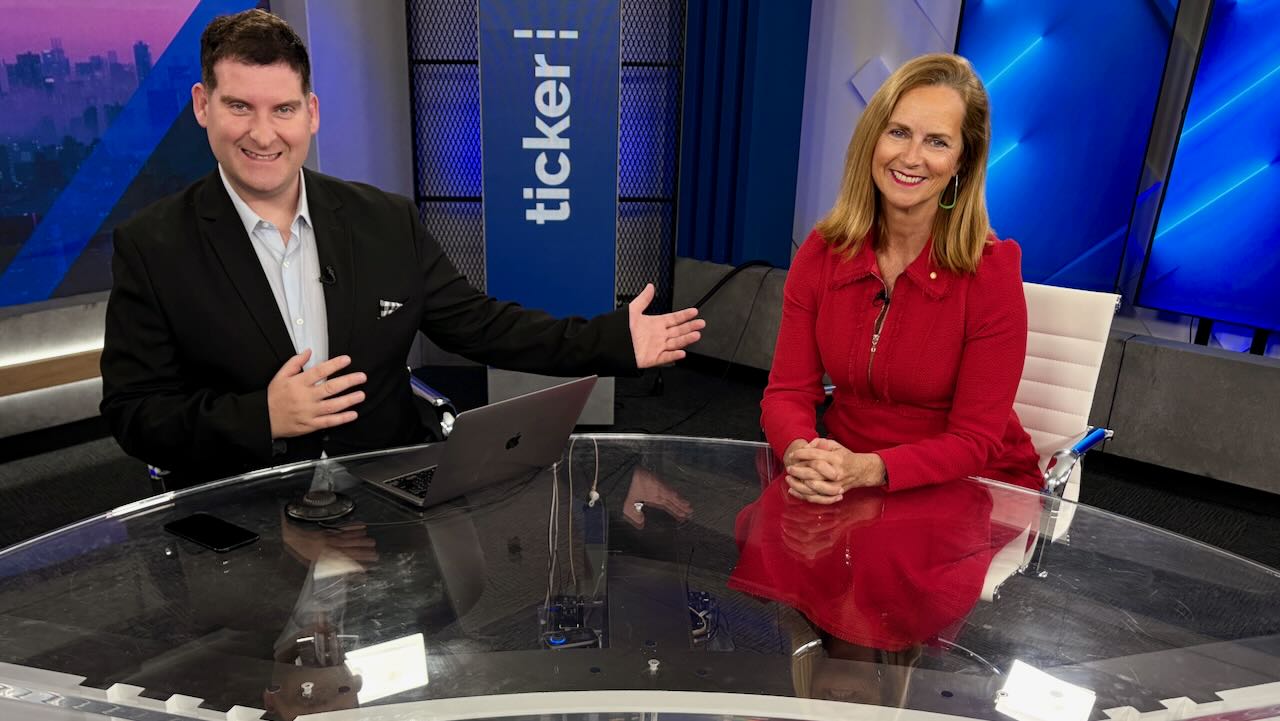

The Multiplier Effect
Most start ups have a ‘defining moment’. You’re beginning to grow, customers are coming fast, the energy was electric, but it can be exhausting. As the owner everything gets ‘escalated’ to you. Your the one answering the tough customer calls, approving every marketing spend, and sitting in the detail of every task. You are beginning to get in the way of growth.
It happened to me - and it took a ‘brave’ colleague who pulled me aside and said, “Naomi, you’re killing your baby. You’ve become the bottleneck.”
That was my wake-up call to move from the Shop Floor to the C-Suite of my own mind. But to do that, I didn't just need better software; I needed better decision making processes - people need to be the leader that they could be. A framework was needed.
As we move toward 2026, the complexity of the customer journey and the rise of AI mean that the "Heroic Founder" model is dead. If you want to scale, you need to stop being a "diminisher" who does everything yourself and start being a "Multiplier." This is where a structured emerging leaders program becomes the most profitable asset in your business ecosystem.

Leadership is a Skill, Not a Promotion
In many Australian businesses, we have a habit of promoting the best "doer" to a management role. We take our best coder and make them a CTO, or our best salesperson and make them a Sales Director.
Last week when I was doing a ‘keynote’ one the of the questions I got was about the ‘journey to management’ - my answer surprised the room. “Becoming a manager is not for everyone - it means nurturing the individual for the good of the cause.”
The problem? Doing the work and leading the people who do the work require entirely different muscles.
An emerging leaders program is the bridge that helps your high-performers transition from task-mastery to strategic governance. It’s about teaching them that while AI is for tasks, relationships are for people. They need to learn how to architect trust, manage emotional patterns, and drive a high-performance culture without resorting to micromanagement.
The Three Pillars of a Modern Emerging Leaders Program
If you’re looking to implement or join a program to future-proof your leadership pipeline, look for these three essential components:
1. Emotional Intelligence and Pattern Recognition
Over 10 million people have taken my emotional intelligence assessments, and the data is clear: real leadership is about emotional pattern recognition. An emerging leader needs to learn how to pause before responding, how to dissect their own feelings of defensiveness, and how to offer empathy to a "blocked" team member. This internal stability is what allows a leader to move through chaos with calm.
2. Strategic Clarity (The One-Page Strategy)
Leadership is about removing ambiguity. A great emerging leaders program teaches participants how to distill a complex vision into a simple, actionable framework. At Big Red Group, we live by the One-Page Strategy. When a leader can articulate the Purpose, Pillars, and Values of the business in a single page, they give their team the "Rules of the Game." This clarity is the ultimate antidote to operational interference.
3. Protecting Return on Time (RoT)
A leader’s most precious resource is their time. Emerging leaders must learn the difference between activity and impact. They need to conduct their own "Love/Loath" audits to identify which tasks should be automated by systems and which require the human touch. By reclaiming their hours from administrative chaos, they can focus on the high-leverage activities that actually drive growth.
AI for Tasks, Leaders for Trust
By 2026, AI will handle most of the "toil" of management—reporting, scheduling, and data synthesis. This makes the human element of leadership more valuable than ever.
An emerging leader isn't there to audit spreadsheets; they are there to architect Reputation and Trust. They are the custodians of the brand's E-E-A-T (Experience, Expertise, Authoritativeness, and Trust), both internally with their team and externally with the customer.

Emerging Leaders Program
The Mirror Test for Founders
If you are a founder or a CEO reading this, ask yourself: If I stepped away for three months, would my business grow or stall?
If the answer is "stall," you haven't invested enough in your leadership pipeline. You are the bottleneck. Investing in an emerging leaders program isn't just about "professional development"; it's about building a durable, scalable enterprise that functions independently of your manual hours.
If it is to be, it is up to me. It’s up to you to let go of the paintbrush and start architecting the gallery. Empower your emerging leaders today, so you can go home at the end of the day feeling like a winner—knowing your legacy is in safe hands.
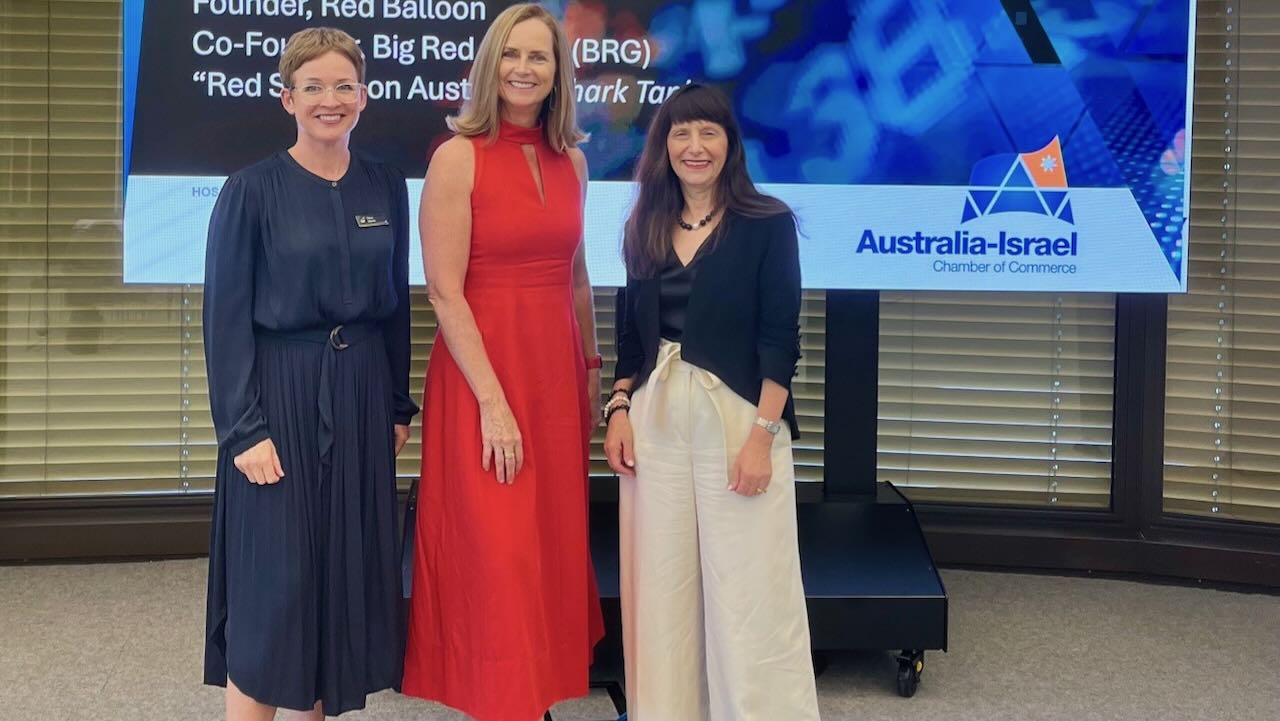
Emerging Leaders Program
Frequently Asked Questions
What is an emerging leaders program?
An emerging leaders program is a strategic development initiative designed to identify and train high-potential employees for future management and executive roles. It focuses on shifting their skillset from technical execution to strategic leadership, emotional intelligence, and operational governance.
Why is an emerging leaders program important for 2026?
With the rapid integration of AI and the shift toward non-linear customer journeys, businesses need leaders who can navigate complexity and build human trust. A leadership program ensures that as "tasks" are automated, the business has a pipeline of talent capable of high-level relationship management and strategic decision-making.
How does leadership development improve "Return on Time" (RoT)?
When you develop competent leaders, they take over the "firefighting" and administrative troubleshooting that typically steals a CEO's or founder's time. This allows senior leadership to focus on high-leverage growth opportunities rather than being a bottleneck for daily operational decisions.
What are the signs that my business needs a leadership program?
Key signals include the founder being overwhelmed by daily tasks, a high turnover of "A-Players" who feel micromanaged, or a lack of clarity across the team regarding the company’s long-term strategy and values.
Can a leadership program help stop micromanagement?
Yes. Micromanagement often stems from fear or a lack of trust in systems. A good program provides emerging leaders with clear frameworks—like a One-Page Strategy—that establish "Rules of the Game," allowing managers to lead through governance rather than interference.