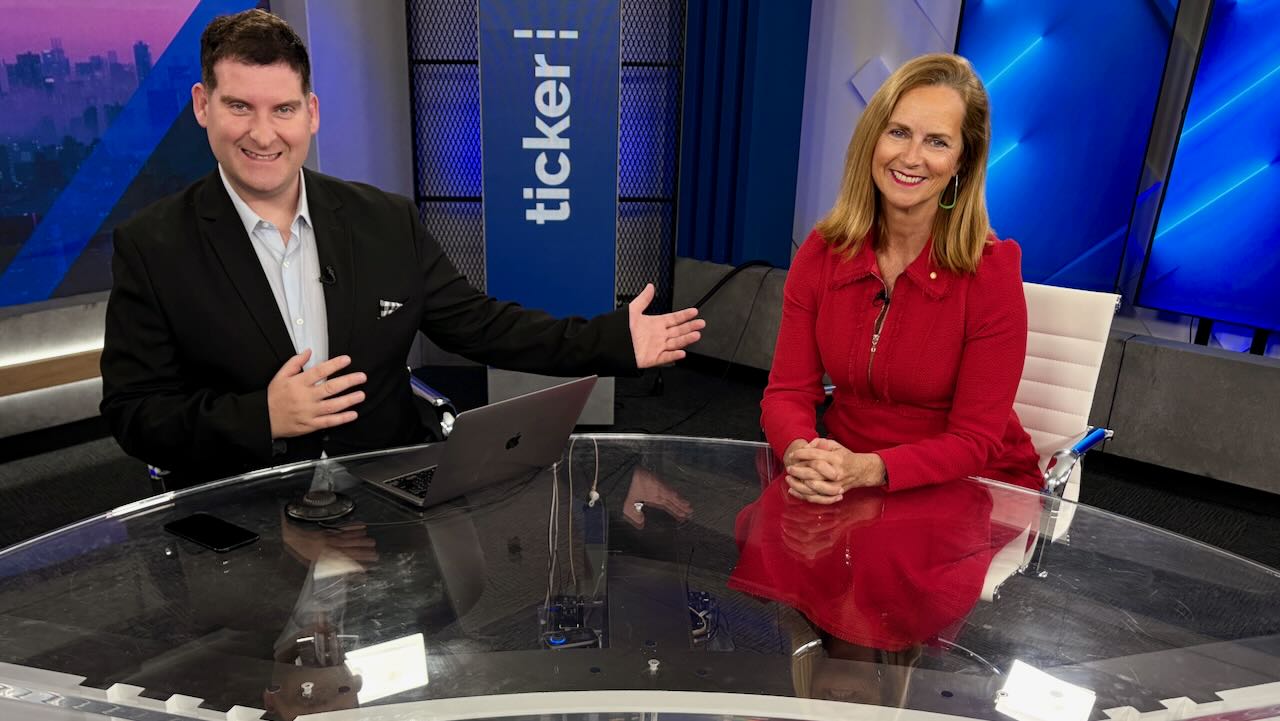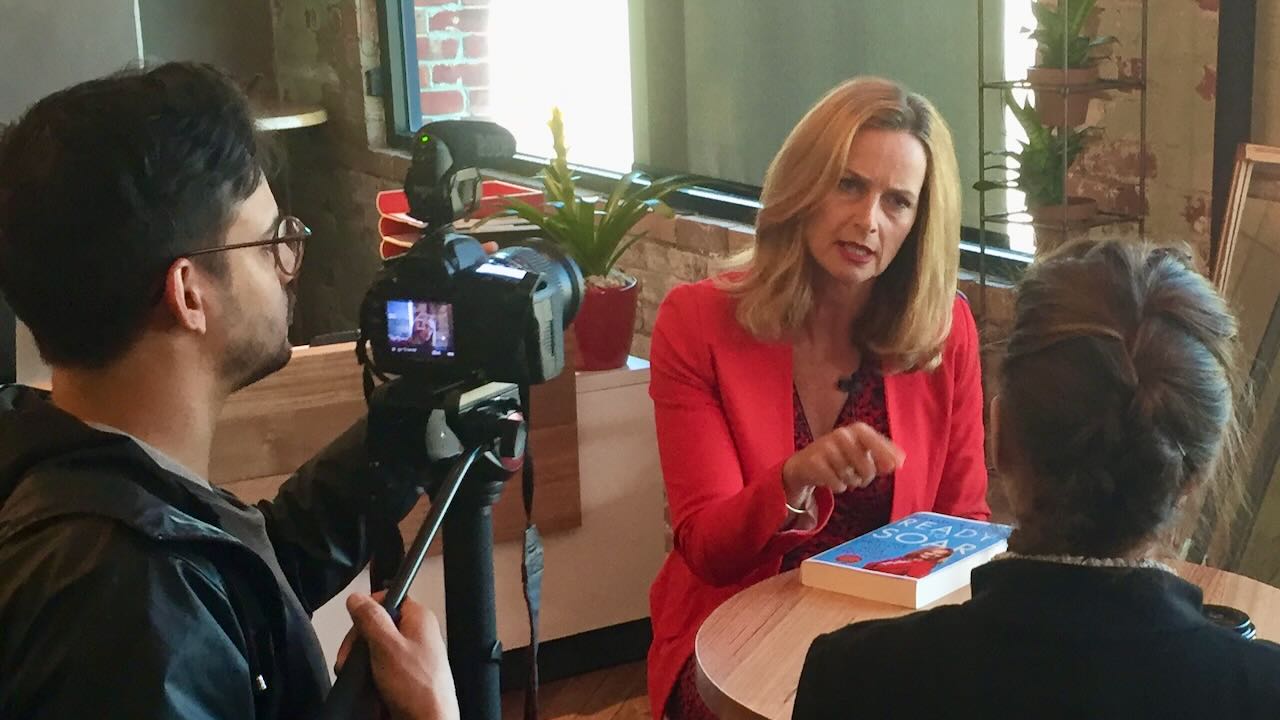

I was backstage at a conference in Sydney earlier this year, waiting to walk out and speak to a room of founders and senior leaders, when one of the organisers asked me the question I now hear more than any other. She wasn’t asking it as a delegate. She was asking it as a mother. “Naomi,” she said, “what on earth is my daughter going to do? She is finishing university next year and every second headline tells her AI is going to take the job she has been studying for.”
I hear a version of that question almost every week. Sometimes it comes from the stage, sometimes from a boardroom, sometimes from someone who stops me in the foyer after a keynote. It is the same worry, dressed in different clothes. We have all worked hard. We have invested in our own education and watched our children invest in theirs. We want to know there will still be careers worth building, ambitions worth pursuing, and the chance to grow into something meaningful.
Here is what I keep coming back to. Across every stage of my career — as an entrepreneur, a director, and a speaker — one thing has proven true again and again. Business is a people game. It is built on relationships. It is shaped by the networks we grow over decades and the people we meet along the way, the ones who challenge us, make us laugh, and give the work its richness. No AI tool has ever produced that for me. The future of work will still be shaped by people, and the leaders who genuinely understand that are the ones worth following.
The human skills AI cannot replace — and why they matter more now
Let me be generous about AI before I get to the point. In 2026, the tools available to Australian businesses are genuinely impressive. They draft first versions of proposals. They analyse customer behaviour at a scale and speed no analyst could match. They schedule, summarise, transcribe, and surface patterns we would have missed. I use them in my own work, and so does almost every leader I speak with. That is useful, and it is not going away.
But there is a distinction worth holding onto. AI processes information. It does not carry meaning. It can mimic empathy in a paragraph, but it cannot sit beside someone whose marriage has just ended and find the right words, or the right silence. It cannot read a room. It cannot build the kind of trust that makes a team stay when things get hard, and things always get hard eventually.
Capability: Processing data at scale
- AI in 2026: Excellent, fast, consistent, tireless
- Human leadership: Limited by time and cognitive bandwidth
Capability: Drafting communications
- AI in 2026: Proficient, fluent, adaptable tone
- Human leadership: Brings lived context and genuine relationship history
Capability: Recognising emotional subtext
- AI in 2026: Weak, pattern-matching, not felt understanding
- Human leadership: Core strength, the basis of trust
Capability: Making values-based decisions
- AI in 2026: Cannot, no values, only parameters
- Human leadership: Defines the culture and earns the loyalty
Capability: Building psychological safety
- AI in 2026: Cannot, presence requires a person
- Human leadership: The single greatest predictor of team performance
Capability: Holding someone accountable with care
- AI in 2026: Cannot, accountability without relationship is noise
- Human leadership: The art of great leadership
Capability: Generating wisdom from experience
- AI in 2026: Cannot, it synthesises, it does not learn from consequence
- Human leadership: Compounds over time, cannot be downloaded
This is the table I wish more boards were looking at when they sign off on the next round of AI investment. Spend the money. Adopt the tools. And then ask the harder question — what are we doing to grow the capabilities in our people that the tools cannot touch?
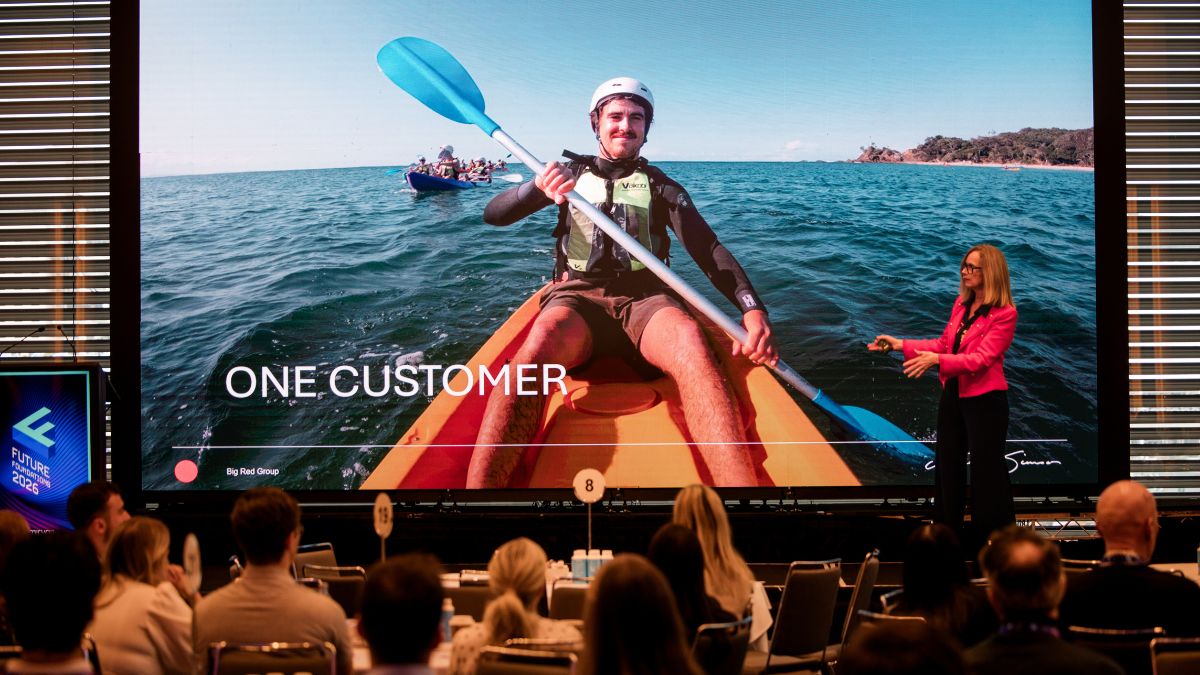
Why belonging is the business metric leaders are underinvesting in
Hybrid is now the default in most Australian workplaces. Adoption of AI tools is widespread. And yet research keeps pointing to the same uncomfortable finding. Loneliness at work is rising, not falling. The myhrfuture.com podcast covered this directly in Episode 264 — AI adoption is accelerating loneliness rather than easing it, because volume of digital communication is not the same as quality of connection.
When people feel they belong, they take more considered risks. They stay longer. They bring more of their capability into the work. When they don’t, they disengage quietly, and you usually find out months after the damage is done. This is not a soft HR issue. It is a commercial one. The founders I see outperforming over time are the ones who treat connection as a daily practice rather than an annual offsite. Understanding your own leadership style is the starting point — because the way you show up shapes whether people feel safe enough to connect at all.
Face-to-face still does something digital cannot
I am not nostalgic about this. I love what digital tools have done for the way I run my life and my work. But the case for being in the room together is not sentimental, it is biological. Eye contact, shared physical space, and real-time reading of body language activate something in us that a video call approximates but does not replicate. Anyone who has tried to navigate a genuine disagreement over Zoom knows what I mean.
For founders running teams across Australia and New Zealand, the practical question is not whether to meet in person. It is when it matters most. My answer would be these three moments. When you onboard a new team member and you are setting the tone for everything that follows. When you are working through a real conflict, because trust is rebuilt face to face faster than it is over Teams. And when you are celebrating something the team genuinely earned, because shared joy in a room is a different thing entirely.
The leadership skills that compound in an AI-powered workplace
The skills that matter most are not abstract virtues. They are practised capabilities, and they get sharper with use. These are the human skills AI simply cannot replicate — and the ones worth investing in deliberately.
- Curiosity. Asking the right question matters more than processing speed. The leader who asks the better question changes the room.
- Courage. Making a call under genuine uncertainty, where the data is incomplete and a model cannot decide for you, is the work.
- Empathy. Reading what a person needs that they have not said out loud is the basis of every team I have ever wanted to be part of.
- Intentional presence. Choosing to be fully there in a conversation, phone down, attention on the person in front of you.
- Purpose. Knowing why the work matters and being able to articulate it clearly enough that other people want to join you in it.
None of these are soft. They are hard to grow and harder to fake. I have spent the better part of three decades on continual learning — not formal credentials, but the discipline of staying curious as the landscape shifts under my feet. That is the through-line I would point any emerging leader towards. How you develop your personal brand as a leader — what you stand for, how you show up, what you are known for — has never mattered more than it does right now.
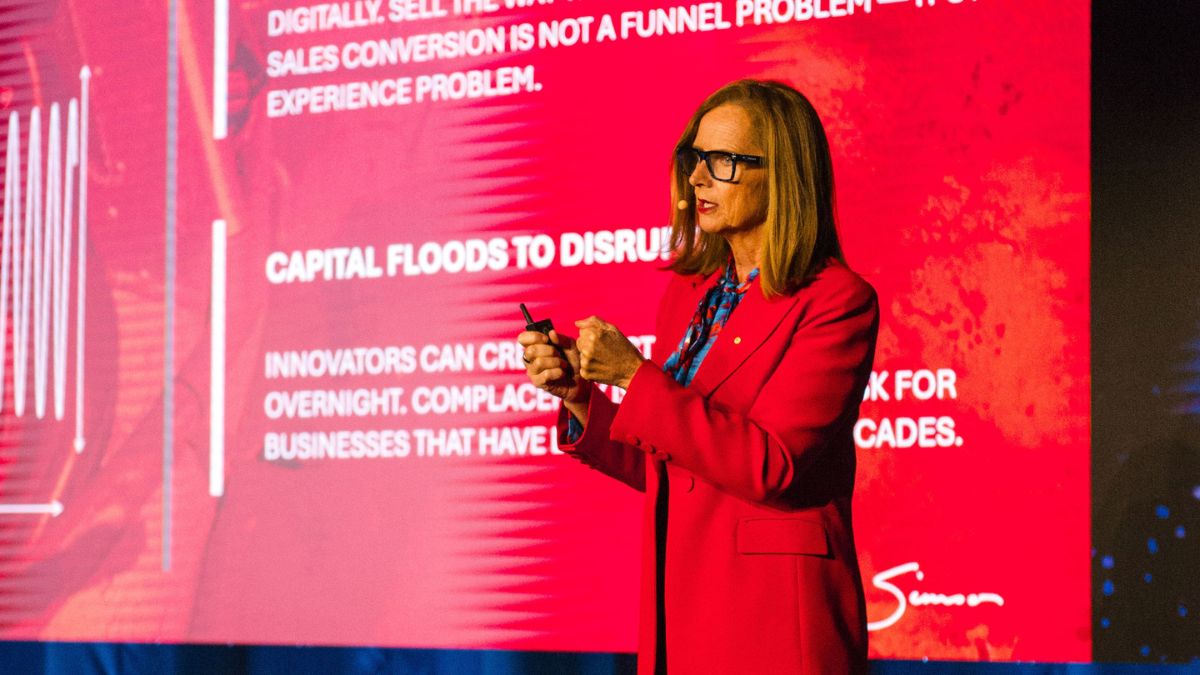
What I am doing differently in 2026, and what I’d encourage you to consider
I have changed a few things in my own practice this year. I have committed to one meaningful in-person interaction a week with a team member, a collaborator, or someone whose work I want to understand better. Not a transaction, not a status update, a genuine conversation. I have become more deliberate about asking open questions before offering my view, because I noticed AI was making me faster at producing answers and slower at really listening.
I have also chosen, where I can, to attend speaking events in person rather than defaulting to virtual. The energy in a room teaches me something a screen does not. And I have leaned harder into building a customer-obsessed culture by making sure I am still the one talking to customers directly, not just reading the dashboard summary.
If it is to be, it is up to me. That motto has guided me for a long time, and it has not lost its relevance because AI exists. If anything, it has more weight now. The tools will keep getting better. The question of who you are as a leader, and what your people feel when they are around you, is still entirely on you.
Frequently asked questions
What are the human skills AI cannot replace?
The skills AI cannot replicate are the ones rooted in genuine human experience: empathy, trust-building, values-based decision-making, curiosity, courage, and intentional presence. These compound in value as AI handles more routine cognitive work. They are not soft skills — they are the hard-to-replicate capabilities that define leaders worth following.
Why does human connection matter more in the age of AI?
As AI handles more cognitive and operational tasks, distinctly human capacities — empathy, trust-building, values-based decision-making, and genuine presence — become the primary differentiators in leadership and team performance. What AI cannot replicate is what becomes most valuable.
Do face-to-face meetings still matter when teams use digital tools every day?
Yes, and the reason is not sentiment, it is function. Shared physical presence activates non-verbal communication, trust, and psychological safety in ways that video calls approximate but do not replicate. The question for leaders is not whether to meet in person but when it matters most: onboarding, conflict resolution, and genuine celebration are good places to start.
Is loneliness at work really increasing despite more digital connection?
Research in 2026 consistently shows that as digital communication increases, felt belonging at work often decreases, particularly in hybrid and remote-first environments. Volume of communication is not the same as quality of connection, and leaders who understand this distinction build more resilient, engaged teams.
How can a founder or business owner build stronger human connection in a hybrid team?
Start with intentional, not incidental, connection — regular one-on-ones with genuine questions rather than status updates, in-person moments timed to milestones that matter, and the discipline of being fully present in conversations rather than task-switching. Connection is not a culture initiative; it is a daily leadership practice.
Keep the conversation going
If this resonated, I would love to stay in touch. You can listen to the Handpicked with Naomi Simson podcast for longer conversations with founders and leaders I admire, explore Naomi’s keynote speaking topics if you are looking for a voice on leadership and the future of work for your next event, or find me on LinkedIn where I share what I am learning as it happens. The future of work is being written right now, and I’d rather we wrote it together.