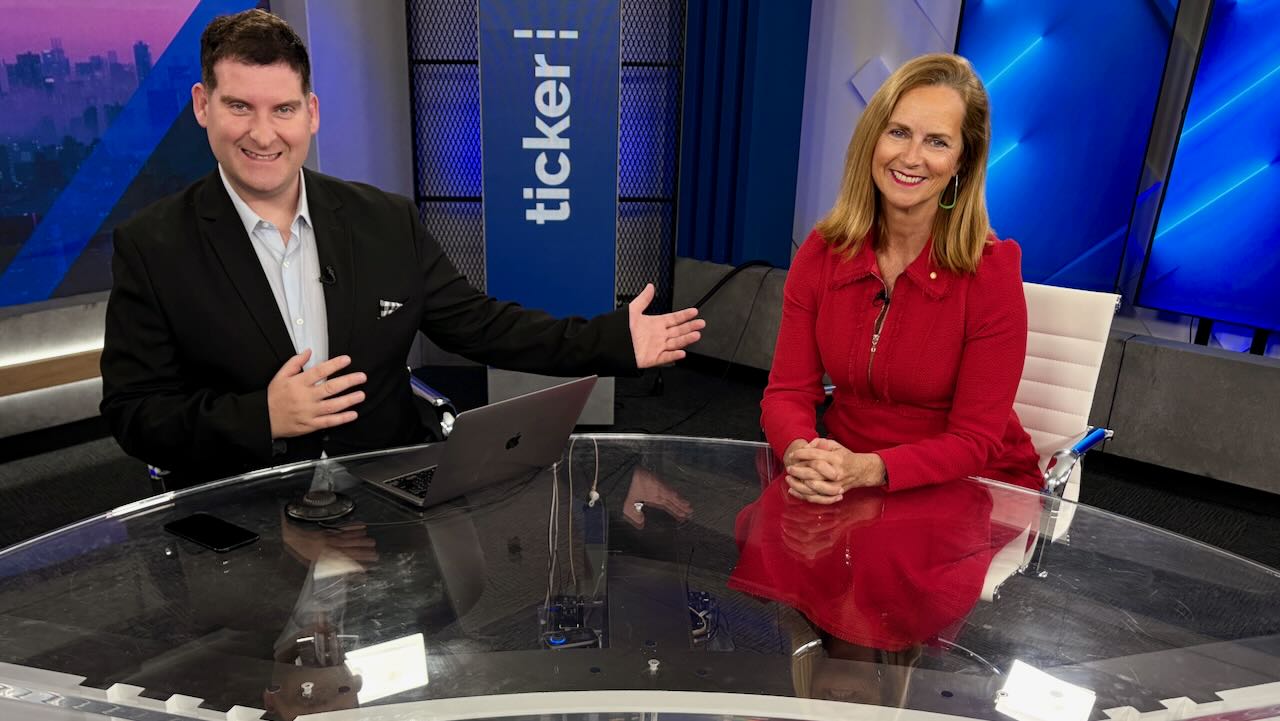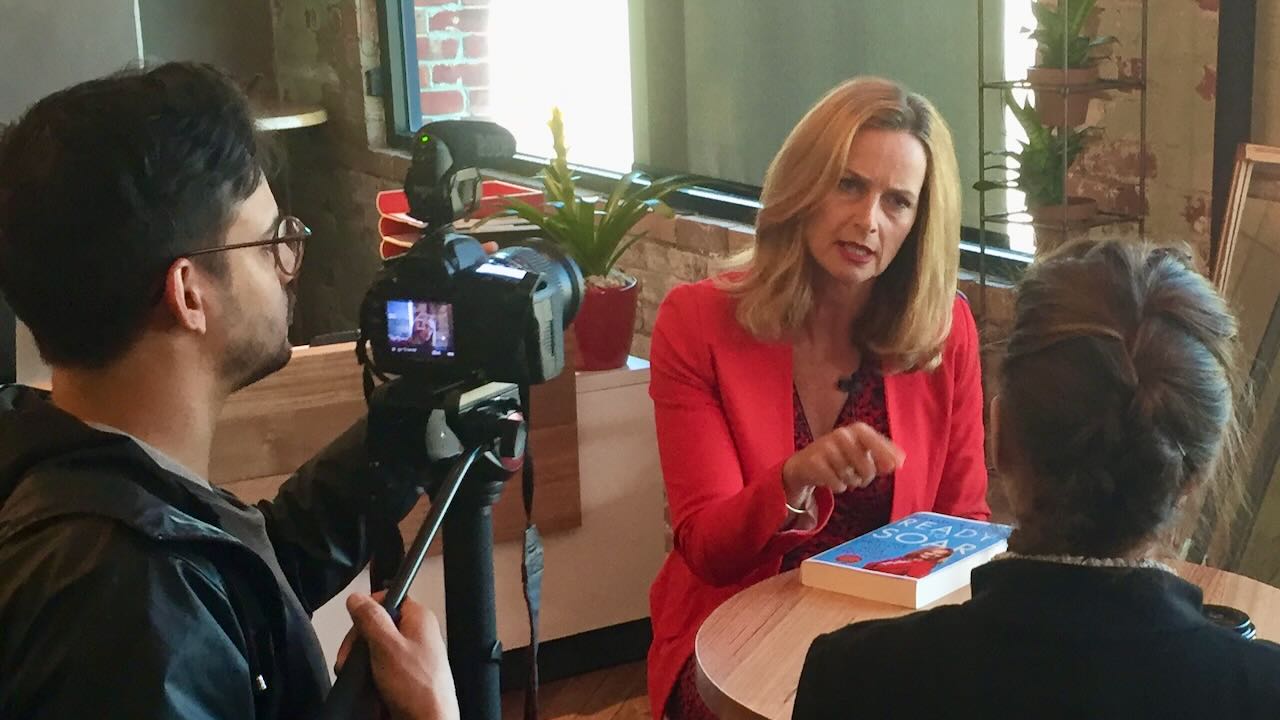

Years ago, in the early RedBalloon days, I dragged our whole little team out of the office for an afternoon cooking class. We were under-resourced, behind on a launch, and frankly I could not afford the hours. I did it anyway. What I remember is not the food. It is the sound of one of our quieter team members laughing so hard she had flour on her face, and a conversation between two people who had been quietly at odds for weeks suddenly finding common ground over a badly rolled piece of pasta. We came back to the office different. The work did not change, but the people working on it did.
I think about that afternoon a lot, especially now. When did you last organise something genuinely fun for your team? And if the honest answer is “I cannot remember”, why is that so hard to prioritise?
The question most leaders are not asking themselves
The short answer on team building during rapid change: When change is constant, the teams that hold together are the ones that trust each other. Team building is not a cultural extra — it is the mechanism through which change actually gets executed. Psychological safety, belonging, and shared identity are not soft metrics; they are the load-bearing structures of a resilient organisation. The leaders investing in genuine human connection right now will have the strongest, most adaptive teams by the end of the decade.
Here is the paradox I keep seeing in 2026. AI is automating more routine work than at any point in our careers. Drafting, scheduling, summarising, first-pass customer queries, data crunching — all of it is being handled faster and more cheaply than ever. So what are leaders doing with the time they have saved? In most businesses I look at, the answer is sobering. More meetings. More dashboards. More KPI reviews. Less genuine human connection.
If you have automated the easy work and filled the gap with more reporting, you have not modernised your business. You have just made it more anxious. Connection is not a nice to have in 2026. It is the differentiator.
Why busyness is the enemy of belonging
Amy Edmondson’s work at Harvard on psychological safety is now decades deep, and the core finding has only strengthened: teams perform when people feel safe enough to speak up, take risks, and admit mistakes. That safety is built in informal moments — the corridor chat, the shared joke, the unhurried coffee. Busyness crowds those moments out. And what gets crowded out, quietly disappears.
What the science says about team connection and performance
The research is unusually consistent on this one. People who feel they belong at work do better work, and the businesses they are part of do better business.
Gallup’s most recent State of the Global Workplace research, published in 2026, continues to show that employees with a strong sense of connection to their team and purpose deliver materially higher discretionary effort — the willingness to go beyond the minimum. Neuroscience adds another layer. Shared positive experiences trigger oxytocin release, which builds interpersonal trust at a biological level, not a metaphorical one.
There is more. Australian healthcare policy in 2026 has begun seriously engaging with social prescribing — the practice of formally recommending community connection as a health intervention — because the longevity and mental health data on belonging is now too strong to ignore. And in our world, business research consistently links team cohesion with resilience during disruption. Connected teams bend; disconnected teams break.
Belonging is not a HR programme — it is a leadership behaviour
Structured team-building programmes have real value. I am not arguing against them. But belonging is not built once a year on an offsite. It is built in how you greet your team on a Monday, whether you remember what is happening in their lives, and whether your behaviour matches the values printed on the wall. Leadership is intentional. Every email, every meeting, every silence tells your team what you actually care about. You can read more on this in my piece on intentional leadership in practice.
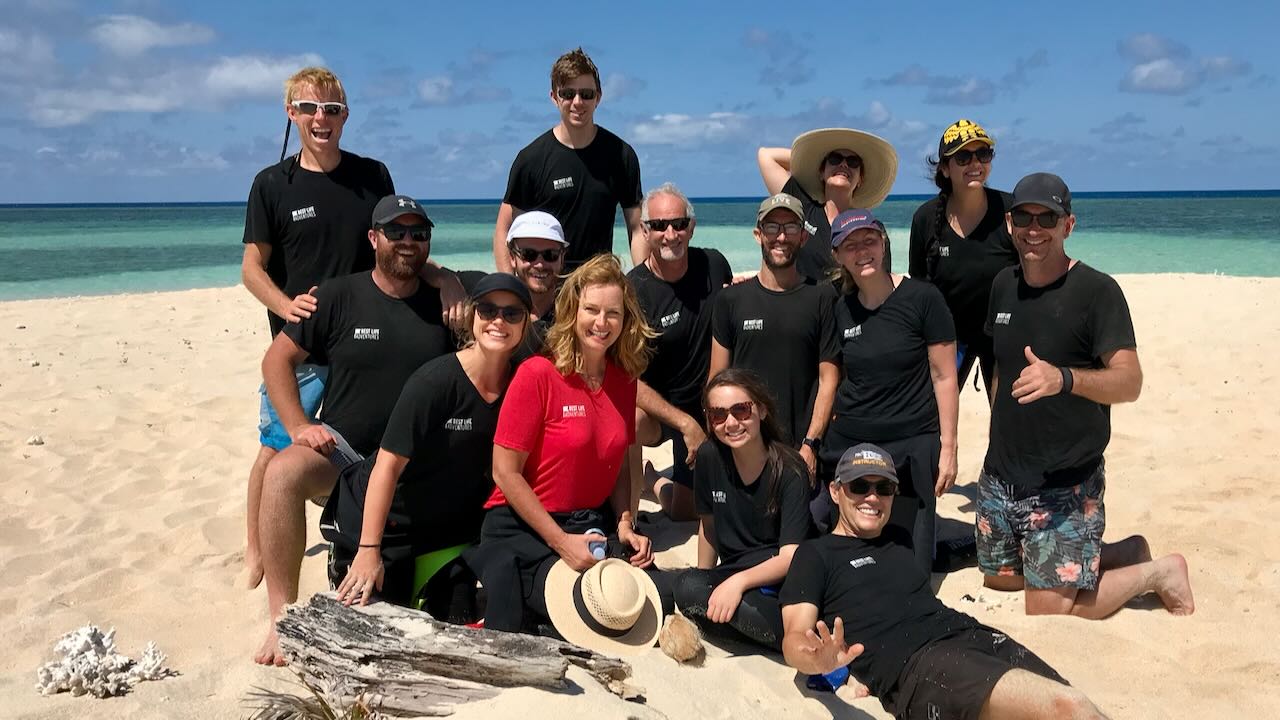
How AI is making human relationships more valuable, not less
I am genuinely optimistic about AI. It is taking a great deal of cognitive load off our teams, and that is a gift. But the more AI handles, the more sharply we see what is irreducibly human: empathy, trust, shared humour, creative tension, moral judgement. These are not things you outsource. They are the qualities that make a team a team rather than a group of people with the same logo on their laptops.
There is a real risk emerging in 2026 that I would name plainly: AI-mediated isolation. When every interaction is filtered, summarised, drafted, or automated, the texture of human relationship erodes. Teams stop knowing each other. MIT Sloan and other organisational research bodies are increasingly framing human connection as a competitive advantage in AI-heavy environments, and I think they are right. The leaders investing in face-to-face connection right now will have the teams with the strongest psychological safety and the lowest attrition by the end of the decade. I explore this further in my piece on why human connection is the leadership skill AI can’t replace.
The irony of the connected age
We have never been more digitally connected and, for many teams, never felt more isolated. I will not pretend otherwise.
“I genuinely believe that the most important conversations — the ones that change the direction of a team or a business — cannot happen on a screen. They happen when people are present, in the same room, sharing something real. That is not nostalgia. That is just how human beings are wired.”
Why rapid change specifically demands stronger team bonds
When markets shift quickly, technology changes underfoot, or business models evolve mid-quarter, the teams that trust each other outperform every time. Psychological safety under uncertainty means people speak up earlier, flag problems before they become crises, and take calculated risks instead of waiting for permission. Shared identity and purpose hold a team together when strategy has to change. High-trust teams make decisions faster, full stop.
I have lived this with David Anderson at Big Red Group. Markets have moved on us, the experience economy has reshaped itself more than once, and what carried us through was not a clever strategy deck. It was a team that knew each other well enough to disagree honestly and recover quickly. The leadership style you bring to these moments shapes how well your team holds together — and how quickly they recover. You can also see how this connects to broader resilience in my piece on how customer obsession builds resilient teams.
Connection is the infrastructure of resilience
A strong team relationship is not a luxury built in good times. It is the load-bearing structure that holds a business together in difficult ones.
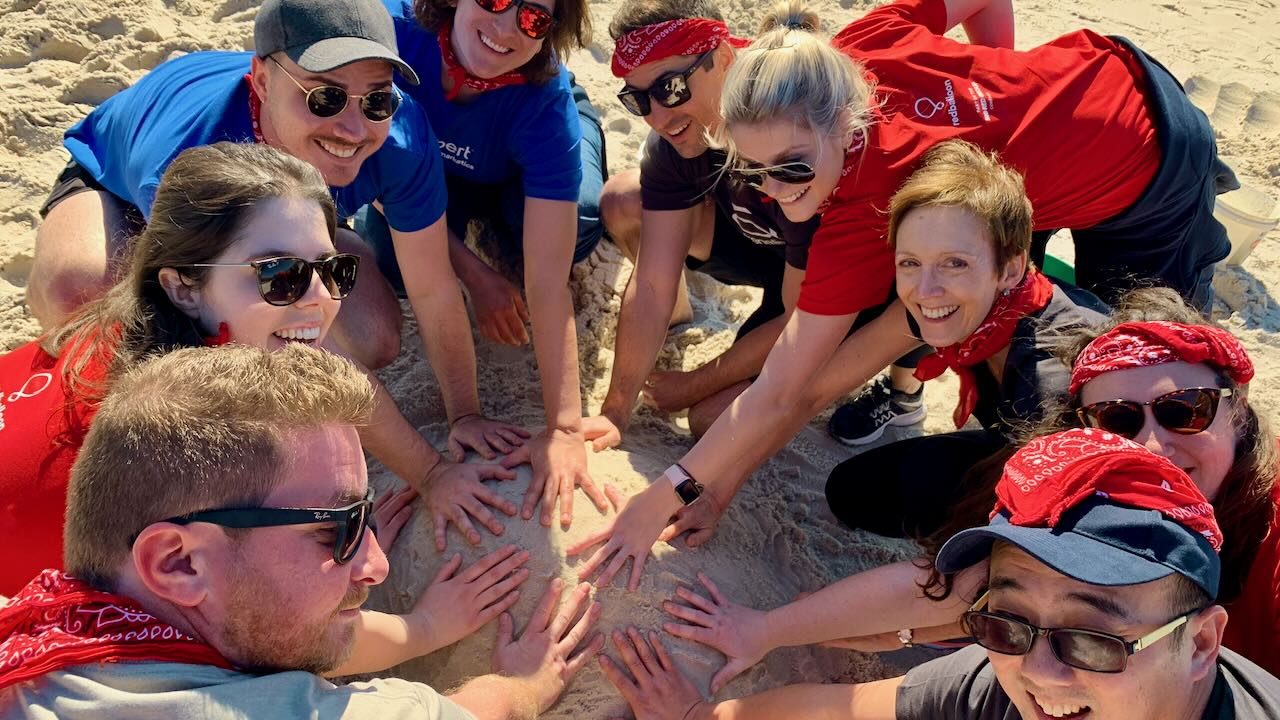
The underrated power of learning something new together
If I had to name one thing that consistently changes the energy of a team, it would be this: do something together that none of you have done before. Take a class. Try a workshop. Learn a skill that has nothing to do with your day jobs.
Novelty creates shared memory, and shared memory becomes story. Stories are how culture travels through a business. A team that has tried something new together has something they will reference for years.
Learning experiences also do something a team dinner cannot. They require presence and participation. Nobody is checking their phone while they are trying to throw a pot on a wheel or chop an onion without losing a finger. And there is a particular vulnerability in being a beginner in front of your colleagues that builds trust faster than almost any structured exercise I have seen.
This is part of why RedBalloon’s learning experiences catalogue exists. I have always believed, since the very first day of RedBalloon in 2001, that the act of experiencing something new together is one of the fastest ways to form a genuine bond.
“There is something that happens when a group of people try something they have never tried before, together. The laughter is different. The conversation is different. You see each other differently afterward. I have seen it transform the energy of a team in a single afternoon.”
Get offline — and give your team a story to tell
The richest team moments are analogue ones. A shared class. A walk along the harbour. A meal cooked together. An activity nobody expected to love. These are the moments people reference months later, and they are the connective tissue of a great culture.
“We spend so much of our lives connected to devices and disconnected from each other. The teams I have watched thrive are the ones where the leader makes a deliberate, recurring decision to get people off their screens and into a shared experience. It is not complicated. It just requires intention.”
Make time. Not just for the big annual offsite, but for the small, recurring moments that quietly tell your team: the people here matter to me.
Team building activities and ideas for Australian workplaces
This is not a listicle. These are the approaches I have seen work, across businesses of very different shapes and sizes. Before you scan the table, ask yourself which of these you have genuinely tried in the last six months — and which you have been meaning to.
Approach: Shared experience event (offsite, activity)
- Best for: Building trust across functions
- Effort level: Medium
- AI-proof?: Yes, irreplaceable
Approach: Learning experience (class, course, workshop)
- Best for: Flattening hierarchy, sparking curiosity
- Effort level: Medium
- AI-proof?: Yes, deeply human
Approach: Regular in-person rituals (team lunches, walks)
- Best for: Sustaining day-to-day connection
- Effort level: Low
- AI-proof?: Yes
Approach: Cross-team project sprints
- Best for: Building bridges across silos
- Effort level: Medium to High
- AI-proof?: Partially
Approach: Digital-first team socials
- Best for: Distributed or hybrid teams
- Effort level: Low
- AI-proof?: Moderate
Approach: Structured recognition moments
- Best for: Reinforcing values and belonging
- Effort level: Low
- AI-proof?: No, can be AI-assisted
What the table will not tell you is which of these matters most to your team right now. Only you can answer that, and the answer changes over time.
Five questions to ask yourself this week
- When did your team last laugh together, properly?
- What would it cost you, in attrition, in performance, and in culture, if your three best people felt disconnected?
- Have you created a shared experience in the last 90 days, or just more meetings?
- Does your team know what you value, not from your strategy deck, but from your behaviour?
- What are you waiting for?
Frequently asked questions
Why is team building more important during periods of rapid change?
When change is constant, psychological safety becomes the foundation everything else rests on. Teams that trust each other communicate problems faster, adapt more willingly, and maintain performance under pressure. Connection is not a cultural extra; it is the mechanism through which change actually gets executed.
How does AI affect team connection in the workplace?
AI is taking over many routine tasks, which means the interactions that remain between people are more significant and more human than ever. The risk in 2026 is that leaders allow AI to mediate their relationships too, filtering, summarising, and automating, which erodes the informal trust that teams are built on. Intentional, in-person connection is a strategic response to an increasingly automated environment.
What does the research say about belonging and business performance?
Research consistently links a strong sense of belonging to higher engagement, lower absenteeism, and improved discretionary effort — the willingness to go beyond the minimum. Gallup’s ongoing workplace research shows that employees who feel connected to their team and their purpose are significantly more productive. Belonging is not a soft metric; it shows up directly in business outcomes.
How often should a team do something together beyond regular work?
There is no single right answer, but the research on team cohesion suggests that regular, varied shared experiences build stronger bonds than annual events alone. A meaningful moment of connection — whether a shared meal, a creative challenge, or a genuine celebration — every six to eight weeks is a reasonable starting point. The key is consistency and genuine intention, not budget.
What are the most effective team building activities for Australian businesses?
The most effective team building activities are those that create genuine shared experience rather than manufactured fun — collaborative challenges, purpose-driven volunteering, or learning experiences that give people something to talk about afterward. Trying something new together is particularly powerful, because when the whole team is a beginner at the same time, hierarchy disappears and real connection follows. RedBalloon’s learning experiences offer a wide range of curated options for teams across Australia, from cooking classes to creative workshops to outdoor adventures.
I keep coming back to that cooking class. What I learned that afternoon was not about food, and it was not really about team building either. It was about what a team needs from its leader: not another dashboard, but a reason to be in the same room. If it is to be, it is up to me, and for the leaders reading this, it is up to you to make connection a priority before the business needs it, not after.
Get offline. Be present. Make genuine time for the people who matter. No algorithm, no dashboard, and no productivity tool will ever replicate what happens when human beings are simply together.
If you are thinking about culture, leadership, and team connection as themes for your next conference or leadership offsite, you can explore my keynote speaking topics on leadership and purpose, or have a listen to the Handpicked with Naomi Simson podcast.