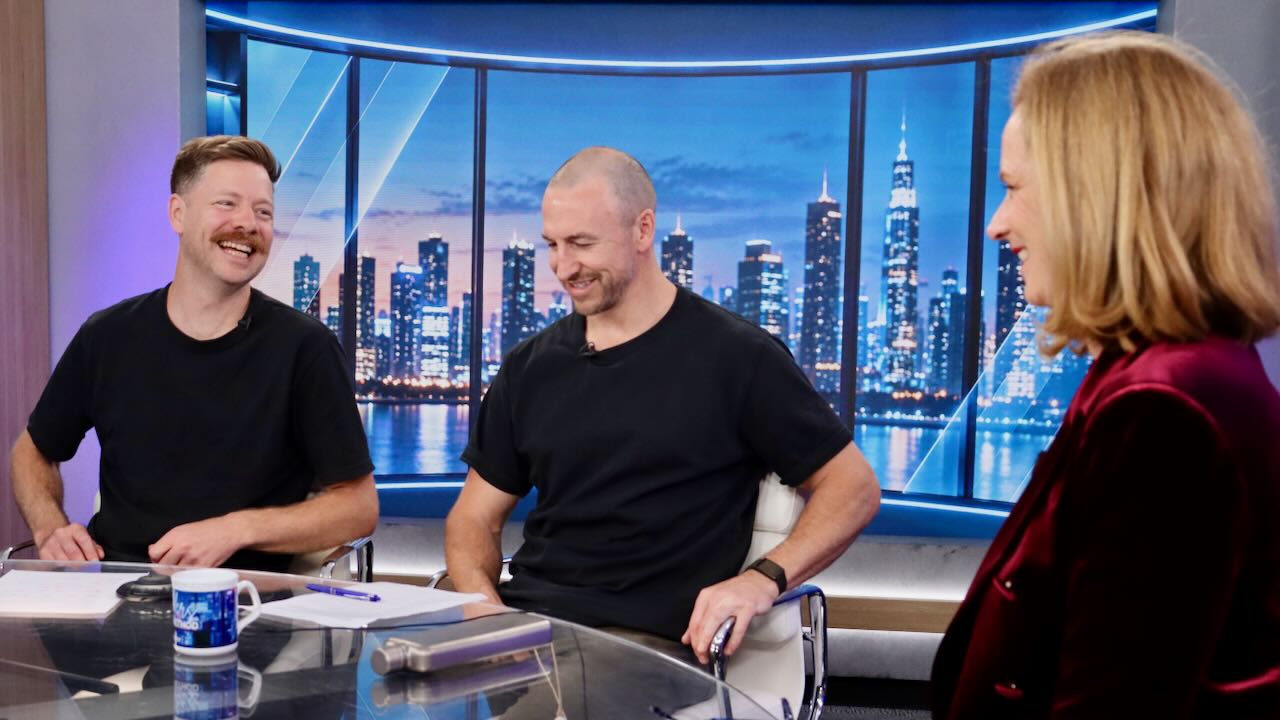
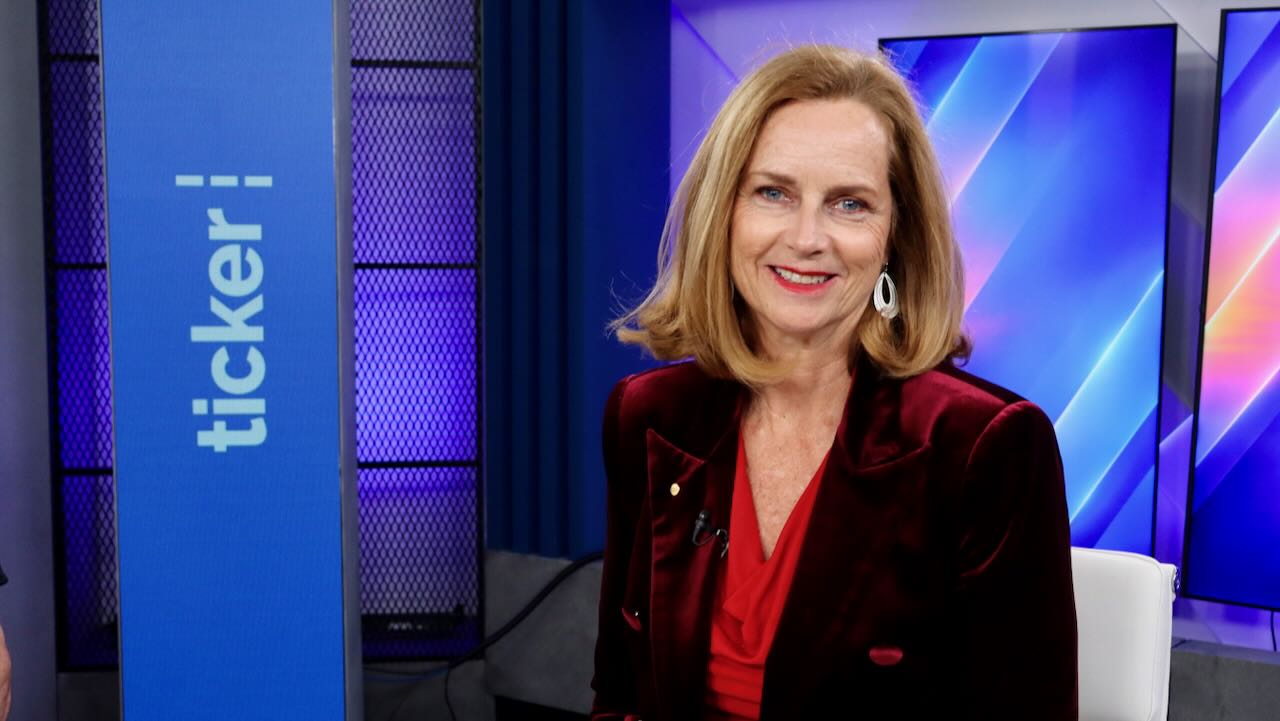
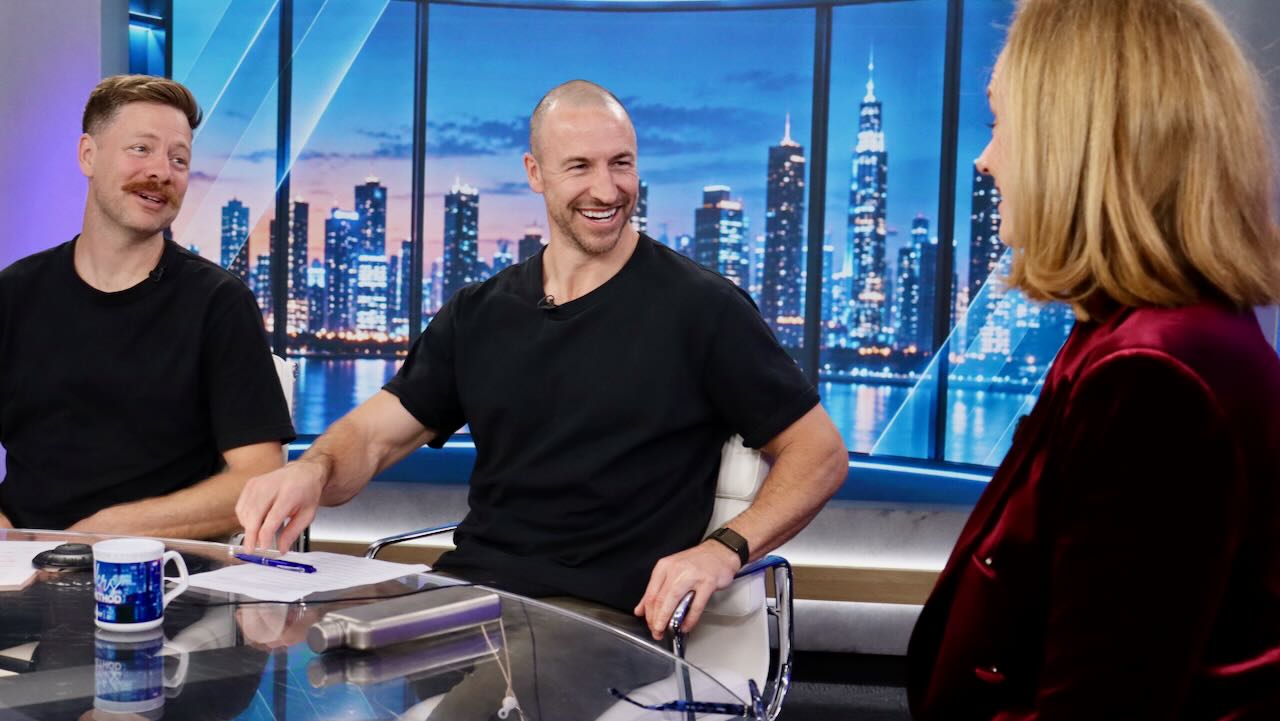
I sat down recently with Jonathan Byrt and Jesse Leeworthy on The Founders Method, and their very first question stopped me for a second. What matters more: a great business model or a great founder?
My answer: the business model. Every time.
I know that's not the romantic answer. We love the story of the founder who willed something into existence. But no matter how much energy you have as a leader, that energy can be pointed in the wrong direction. You can be pushing uphill for a very long time if customers don't want what you're selling.
What is a business model, in plain terms?
It's the answer to a few unglamorous questions. Are customers buying your product? Where are the constraints in the business? How does cash move through it? Once you know those answers, and you're confident in them, you know what to work on. And the energy comes.
I've met many a young person who tells me, "I just want to be a founder." My question is always the same: to do what? Too often, they don't know.
Start with the problem you are uniquely placed to solve
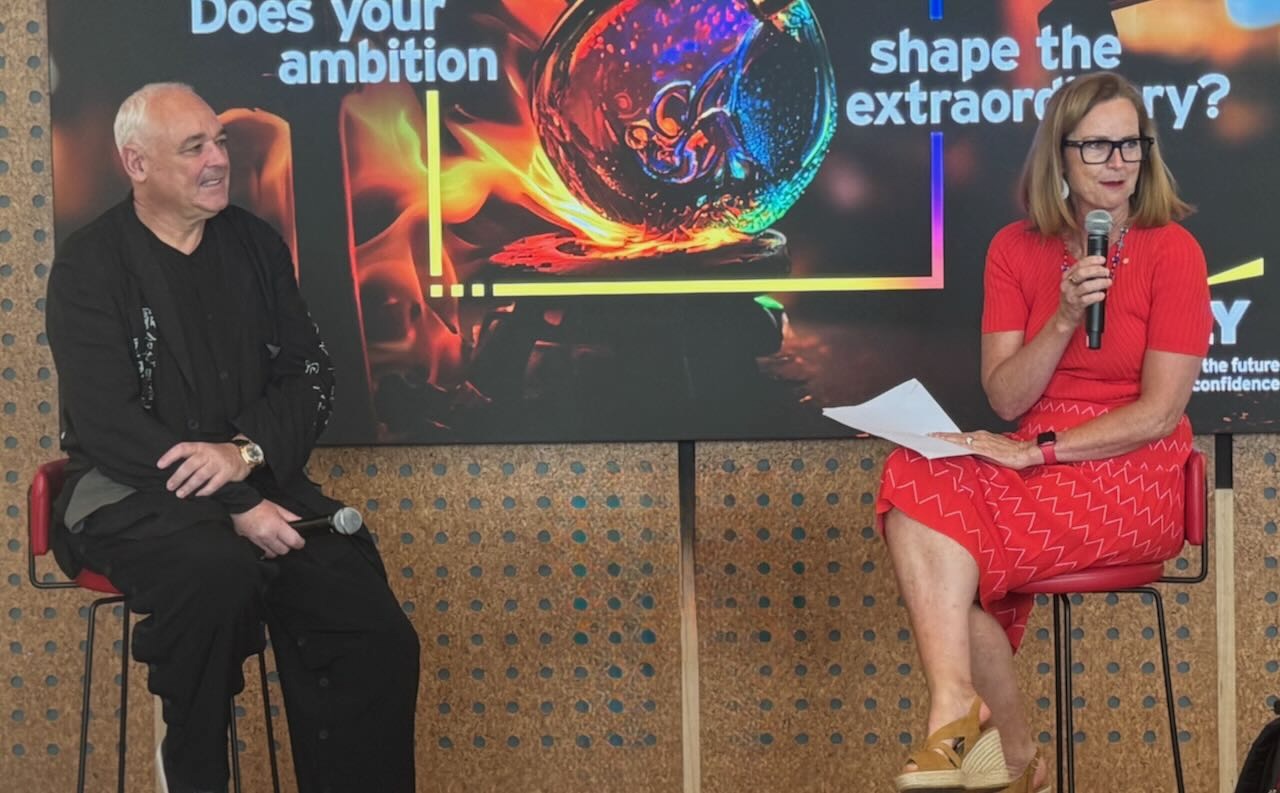
This year I chaired the judging panel for the EY Entrepreneur Of The Year Australia awards. I interviewed 24 founders, and I also spent time with last year's winner, Laurent Boillon of Laurent Bakery.
Some people asked me, how does a bakery win Entrepreneur of the Year? Spend an hour with Laurent and you'll understand. His lesson for every founder was simple: first, find the real problem, the one you have the unique skills to solve.
When he started in Melbourne in 1993, he asked a question nobody else was asking. Why should people eat bread full of sugar and preservatives? A baker working by hand can only serve so many people a day. So how do you bring artisan bread to everyone?
His answer was to mechanise slow food. He's a baker by trade, not an engineer, but he told the engineers exactly what he needed. The dough still takes 48 hours to rise, like any good sourdough. The conveyor belts are just very slow and very big. There are even mechanical fingers that press the olive oil, salt and rosemary into the focaccia the way a pair of hands would.
The problem came to him. He didn't go looking for a business to start. That's the order that works: the constraint first, then the model, then the energy.
Technology is the enabler. Customer friction is the disruptor.
Great businesses are rarely created by technology. Technology enables them. They're created by customer friction.
I'm going to use an old story rather than an AI one, because I think we're all still working out what AI will end up looking like. Remember Blockbuster?
I'd take the kids on a Friday night. They could never agree, so we'd rent three videos. By the time we got home it was bedtime. Then the late fees arrived, and they were horrendous. You may as well have bought the video. There was this constant pressure: watch it tonight or pay the fine.
The story goes that management told the board their customers hated the fines. The response? Those fines are 100 per cent margin. We know how that ended.
Netflix began as a DVD subscription: no fines, keep them as long as you like. Here we had Quickflix. Streaming came later. The technology was the enabler. The friction was the opportunity.
People forget this. "AI's here, I can disrupt something." Yes, but disrupt what? And why? Find the friction your customers feel, and the technology becomes your tool, not your strategy.
Will people pay? The job you're hired to do
In four seasons on Shark Tank, the gap I saw most often wasn't the idea. Founders could describe the problem beautifully. What they couldn't answer was: will people pay to have it solved?
Naming a problem isn't enough for an investor. What's the job you're doing that makes a customer say, "Yes, I'll pay you for that"?
This is the jobs to be done idea, set out by Clayton Christensen and colleagues in Harvard Business Review. The way I frame it, people buy for three reasons:
- Functional. Right place, right time. It gets the job done.
- Emotional. I feel better.
- Social. I am better, or I'm seen to be.
At RedBalloon, our customers hire us for advice. They want to know the experience will be good. That's why reviews matter so much to us, and why our Best of RedBalloon range matters. People come to us seeking trust.
Once you speak to customers in the language of the job you're hired to do, you understand why they pay. And so does your investor.
The founder's three questions, every day

The hardest thing for a founder is staying out of the detail. Before long there's more in your inbox than you can clear, and you're solving everyone else's problems. Your real job gets crowded out.
So I ask founders to come back to three questions every single day.
- What did I do to grow today? Who did I meet? What distribution opportunity or sale did I chase? And how did I grow personally: what did I learn or discover? I'd even start every meeting with "What did we do to grow today?" Growth gets forgotten once the business plan is written.
- What did we learn about our customer today? I say customer, singular, on purpose. Customers are individuals. They act differently, and their aspirations keep changing. You need listening posts, and you need to learn from them daily.
- Who am I surrounding myself with? Do my people understand the soul of this business, our shared values?
Growth, customer, people. Those three are the founder's job, and they're what let you scale. Once you step into the CEO seat, the list shifts, and I've written about the three jobs of a CEO too.
Buying customers is not a business model
On Shark Tank, it was usually obvious when someone just wanted cash to buy more customers. If most of the money is going straight to Meta or Google, or whichever platform is next, that's not a sustainable business model. A customer acquisition cost you can only cover with someone else's money isn't growth. It's rent.
What I look for is the leverage point. They've got the model right, and they've proven that more money in means more scale out. That's what makes an investment worth it.
I saw a promising trend among this year's Entrepreneur of the Year finalists. Founders are funding the business themselves for longer to reach that proof point. I think that's smart. I've met many founders working incredibly hard for a very small slice of their own company, because they raised too early and diluted too much.
If you're wondering how to scale a business, my advice is this. Prove the model first. Then ask: what asset am I investing in that will lever growth? If the answer is "more ads", go back to the model.
AI is a productivity tool, not a business model
Am I worried we'll dumb down as a species? A little. But right now, people are excited and more productive. You can walk into a meeting better prepared, with the background in bite-sized pieces.
Here's what struck me across the 24 finalists. Every one of them is using AI. Very few are reinventing their processes with it. We asked of every business: will this still exist in five years, or will AI take it away? For all of them, we couldn't see AI taking the business.
The exception was our national winner, Katrina Leslie of Swipejobs, because her business is AI. She was working in machine learning 14 years ago, training systems to find trends and themes, long before it was fashionable. Today around 98 per cent of Swipejobs' customers are offshore, in the United States and the United Kingdom. Most Australians had never heard of it, which is exactly why programs like EY Entrepreneur Of The Year matter.
Even there, the lesson is the same. The technology didn't make the business. Solving a real problem, for customers willing to pay, did.
Model first, then the energy follows
So, business model or founder? The founder matters. On Shark Tank I was always asking, can I work with this person, do I believe them? But belief and energy can't rescue a product nobody will pay for.
Get clear on the friction you remove, the job you're hired to do, and how cash moves through your business. Prove it with your own money where you can. Then ask your three questions every day: growth, customer, people.
If it is to be, it is up to me. But it starts with the model.
Frequently asked questions
What is more important, a great business model or a great founder?
The business model. A founder's energy matters, but it can't rescue a product customers won't pay for. Prove that customers buy, understand your constraints and how cash moves through the business, then put your energy behind it.
What is a business model?
A business model is how a business creates something customers will pay for, and how cash moves through it to make a profit. In practice, it answers three questions: are customers buying, where are the constraints, and how does cash flow?
What is jobs to be done?
Jobs to be done is the idea that customers "hire" a product to do a job for them. People buy for functional, emotional and social reasons, and businesses that speak in the language of that job find it easier to show why customers will pay.
When should a founder raise capital?
After the model is proven. Raising early to buy customers through advertising dilutes your ownership without building a lasting asset. Fund the business yourself for as long as you can, then raise when more money clearly means more scale.
Watch my full conversation with Jonathan Byrt and Jesse Leeworthy on The Founders Method from Ticker. Video coming soon.
If you would like this material for your next leadership event, enquire about Naomi speaking.