It was 11:47 on a Tuesday night in the early RedBalloon years, and I was sitting at the kitchen table in my dressing gown, scrolling through hundreds of unread emails. I remember closing the laptop, opening it again, and telling myself if I could just get to inbox zero, I would finally feel like I was doing the job properly. I never got there. Not that night, not the next night, not any night of that first chapter of building the business. The inbox was never the job. It took me years to work out what the really important things I needed to be working on.
Everyone in the room laughs — because they've felt it too
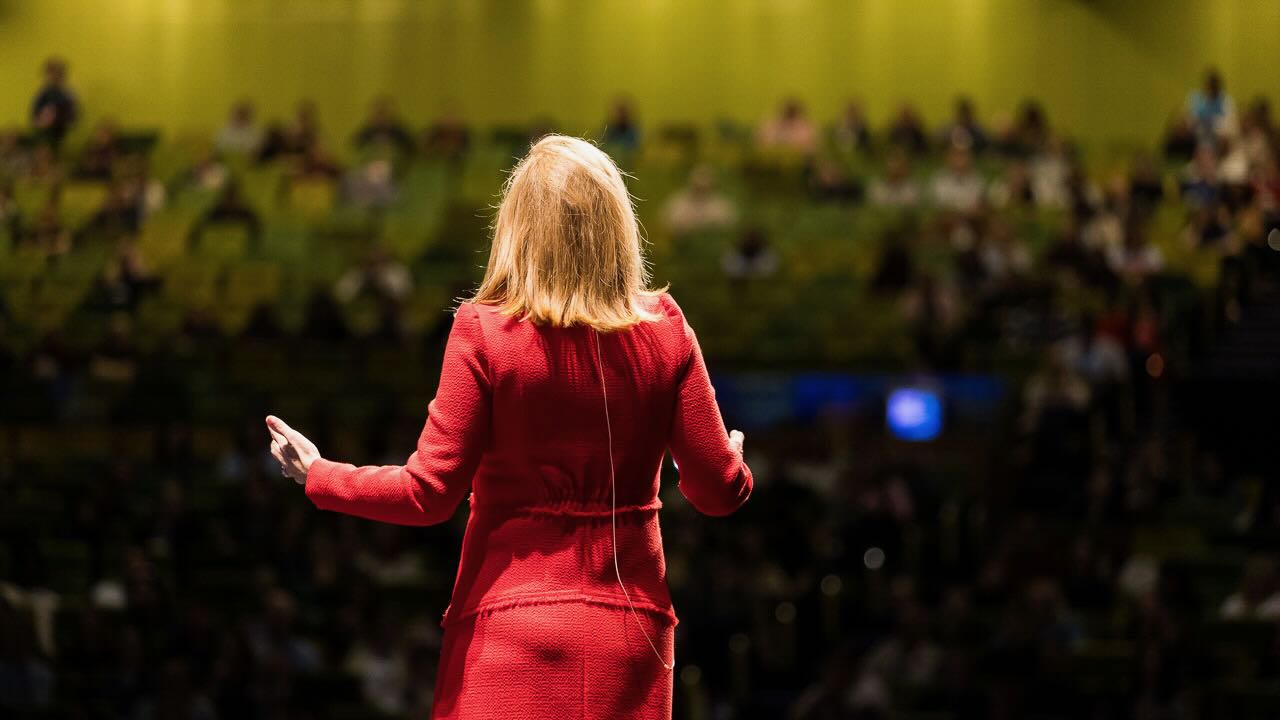
When I am on stage speaking to a room of business owners, I ask one question early: "Who thought they'd have control over their lives when they started their own business?" Every single time, the room laughs. It is a knowing, slightly tired laugh, and it is the sound of recognition. Every founder in that audience is drowning in the wrong work, and every founder in that audience knows it. This piece is for them, and if you felt that laugh in your chest just now, it is for you.
The film that taught me something I already knew
I have watched The Intern, the 2015 Nancy Meyers film, more times than I would like to admit. The main character, Jules Ostin, has built a fast-growing online fashion business from nothing, and she is obsessed with every detail of it. She rides her bike through the warehouse because it is faster. She jumps on customer calls. She is across the packing, the photography, and the website. The obsession and the detail are what built the business. There is no question about that.
And yet, that same obsession is also what is quietly stopping the business from growing into what it could be. It takes Ben Whittaker, the 70-year-old intern played by Robert De Niro, to help Jules see what she cannot see for herself. The skills, grit, and relentless attention that got her here are not the skills that will take her forward. Detail built the business. Wisdom, trust, and the willingness to let go are what grow it. I watched that film and recognised myself in Jules, and I suspect most founders would too.
The three jobs that are yours alone
For years I made the job bigger than it needed to be. The truth is simpler, and once you see it, you cannot unsee it. A CEO has three jobs. Everything else is noise, delegation, or tomorrow.
Job one: build the team
I was that founder. I thought doing everything was the job. Early on at RedBalloon I hired a customer experience lead who was measurably better at the work than I was — more patient, more systematic, better at the awkward conversations I rushed through. The hardest thing I had to do was stop rewriting her emails. The best thing I ever did was stop rewriting her emails. She did not need me hovering. She needed me clearing the path.
Your job as CEO is to hire people who are better than you at the thing they are hired to do, set them up to win, and then get out of their way. Do not get a dog and then do the barking yourself. If you cannot explain controlling behaviour vs. micromanagement in leadership, start there, because the difference will decide whether your best people stay.
This week's test: If your best person quit tomorrow, would you panic? If yes, your work this week is to clear every obstacle in their way. If no, you may have hired the wrong person.
Job two: protect the money
If revenue keeps you up every week, you do not have a system yet. There was a month in the early RedBalloon years when the cash in the bank account was the only reason we made payroll. I remember checking the balance three times that morning, as if staring at it would change the number. It did not. What changed the number was understanding, from that point forward, exactly where the money came from, where it went, and when it would arrive.
The CEO's role is to make revenue, grow it, and protect the margin. You do not need to do the bookkeeping. You do need to be able to answer three questions in five minutes, every single month. How cash flow shapes how a business grows is the reading I give every founder who tells me they are too busy to look at the numbers.
This week's test: Is revenue hitting the number? Is it growing against last quarter? Is the margin holding? If you cannot answer all three in five minutes, that is this week's priority.
Job three: set the direction
Everything else takes time from your team, your business, and you. Your job as CEO is to tell your team where the business is going and how decisions get made when you are not in the room. As an independent director I now sit in boardrooms and ask every CEO the same question: "If I pulled three of your people aside right now and asked them where this business will be in 12 months, would I get the same answer three times?" The silence is usually the answer.
Setting direction is not a one-off strategy day. It is the quiet, repeated work of making the destination so clear that your team can make good decisions without you. That is how to lead with influence rather than authority, and it is the shift that turns founders into CEOs.
This week's test: Ask three people on your team where the business will be in 12 months. If you get three different answers, they do not know. That is your work this week.
The three jobs at a glance
The CEO's jobWhat it meansThis week's testBuild the teamHire better than yourself, set them up, get out of the wayWould you panic if your best person quit tomorrow?Protect the moneyMake it, grow it, keep the marginCan you answer three revenue questions in five minutes?Set the directionTell the team where you're going and how to decide without youAsk three team members where the business will be in 12 months
We all get the same 24 hours
Too much to do and too little time will not scale a business. Every founder has the same 24 hours. The difference between founders who grow and founders who grind is not the number of hours worked. It is the quality of the thinking that fills them.
Downtime is not a luxury or a reward for finishing. It is where strategy actually forms. If you are permanently full, you have no room for the ideas your business needs next. When I notice myself feeling overwhelmed and there's too much to do, I take it as a signal, not a failing — a signal that I have slipped back into doing other people's jobs. I remind myself why downtime is part of the job, not a reward for finishing, and I give myself permission to think.
The one thing that makes everything else easier
I close almost every keynote with the same question. Of all the things on your list today, which is the one thing that — when you do it — makes everything else easier or unnecessary? That is the work. Everything else is noise, delegation, or tomorrow. Stop confusing busy with winning.
If it is to be, it is up to me. And that includes choosing what not to do. Responsibility is not about doing everything. It is about owning the three things only you can do, and trusting your team with the rest. The podcast episode on what to say no to is a good companion to this piece if you want to go deeper.
Which of the three jobs are you neglecting? Share it in the comments, and if you'd like to bring this framework to your next leadership event, enquire about Naomi speaking.
Frequently asked questions
What does a CEO do day to day?
A CEO's role comes down to three things: building the team, protecting the money, and setting the direction. Everything else should sit with people better placed to do it. If your diary does not reflect those three priorities, it is worth asking what you are actually doing.
How do I know if I'm focusing on the right things as a CEO?
Ask yourself three questions: am I building a team that is better than me, can I answer the key revenue questions in five minutes, and does my team know where we are going without asking me? If any answer is no, that is your work this week.
Why is delegation so hard for founders?
Because the obsession with detail that built your business feels like the job, and in the early days, it was. The shift is recognising that the skills that got you here are not always the skills that will take your business to the next level. Letting go is not losing control; it is leading.
What is the most important CEO responsibility in a small business?
Protecting the money. You stay in the game only as long as there is cash in the bank. Knowing your revenue, growth trajectory, and margin every single month is not optional; it is what keeps the doors open.
How do I set direction without micromanaging my team?
Be explicit about where the business is heading and, crucially, how decisions should be made when you are not in the room. If three people on your team give three different answers about the business's direction in 12 months, closing that gap is your most important job right now.