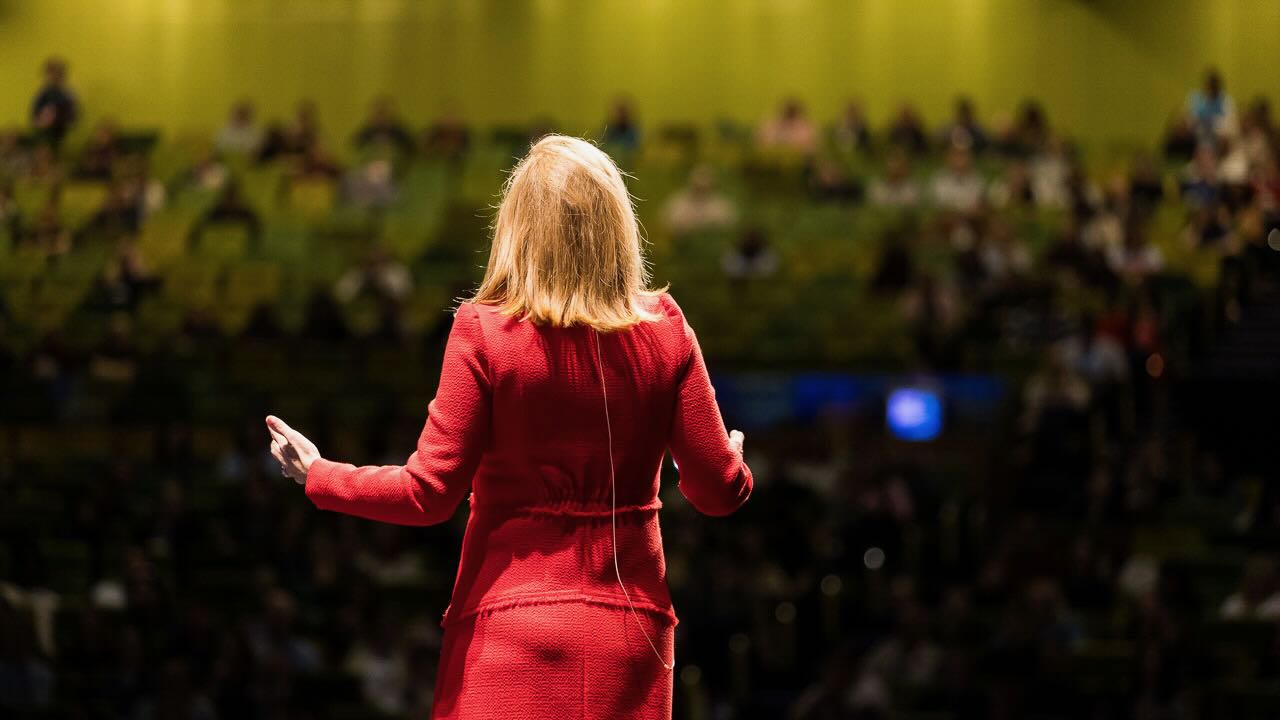
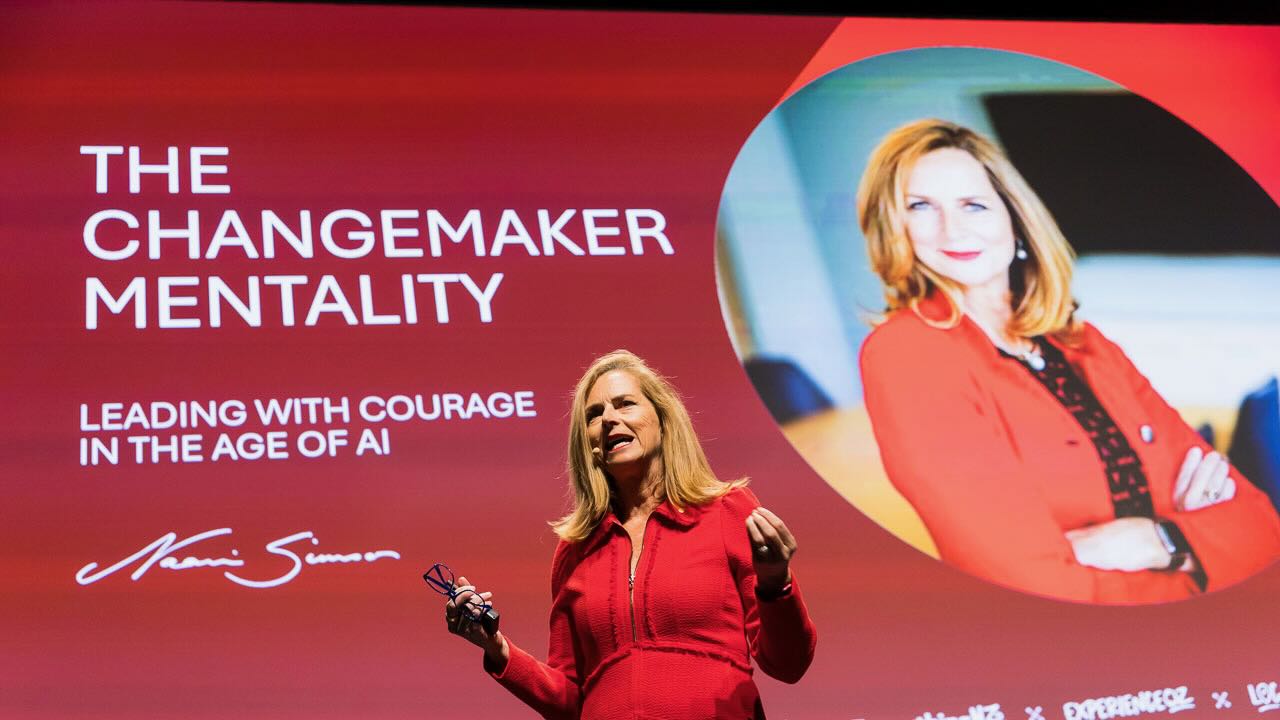
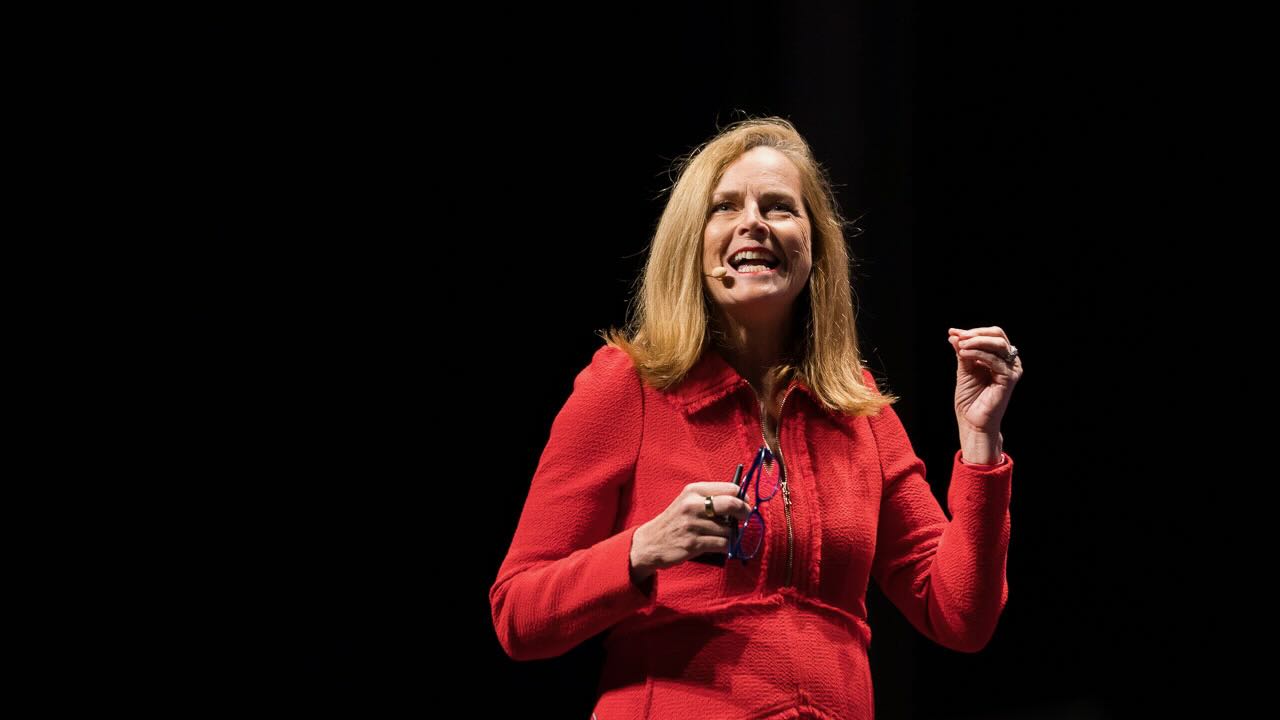
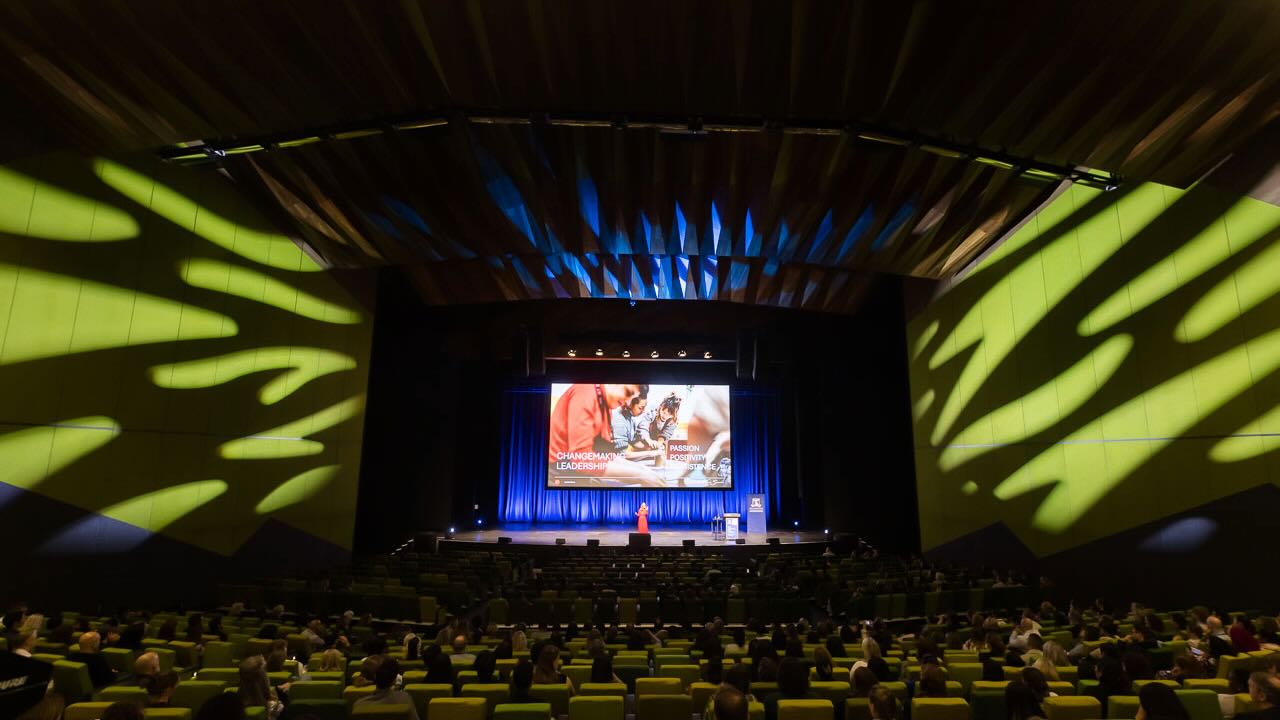
Seven hundred leaders from the University of Melbourne filled the room for their Staff Education Day. I had just finished my keynote on the ChangeMaker Mentality, and in the Q&A a hand went up.
"How do you use AI yourself?"
It is a fair question to ask someone who has just stood on stage talking about leading with courage in the age of AI. My answer surprised a few people. AI helps me prepare. It does not do the connecting. That part is still my job, and it is the part that decides whether a presentation lands or whether people quietly reach for their phones.
So here is the process I use, step by step. It works whether the room holds 7 people or 700. A board paper, a team meeting, a pitch to investors or a conference stage all follow the same rules, because connection doesn't depend on the size of the room.
Why most presentations don't connect
Most presentations fail before the speaker says a word. They start with the slides. They start with what the presenter knows rather than what the audience needs. Then the presenter wonders why the room went flat.
Connection is not luck and it is not charisma. It is built, deliberately, long before you walk on stage. The best presentation skills I have learned in more than two decades of marketing, building RedBalloon and speaking to audiences across Australia come down to one question: who is this for?
How to build a keynote that connects: 7 steps
1. Capture the brief before you build anything
Every presentation that connects starts with listening. Before I open a slide deck, I have a briefing conversation with the client and capture it properly. Their worries, their language and their definition of success become the foundation for everything that follows.
I use an AI note-taker for the briefing so I can listen instead of type. Sometimes I handwrite my notes and upload a photo of them to AI instead, which works just as well.
How to apply it: Write down what the client is worried about, the exact words they used, and what success looks like for them. Their language becomes your language on stage. When an audience hears their own words coming back to them, they lean in.
2. Find what's at stake for the room
A keynote needs a problem, just like a story does. If nothing is at stake, nobody has a reason to listen.
How to apply it: Ask what this audience is struggling with right now, and what they need to walk out believing or doing. Build everything around that one tension. If a slide doesn't speak to it, the slide goes.
3. Build relatedness the moment you walk on stage
This is the step I would never skip. The first minute decides whether the audience sees you as someone talking at them or someone who understands them. I open with a story that is quick, relevant and usually self-deprecating.
[PLACEHOLDER: Naomi's opening story from the University of Melbourne keynote, in her words. Keep it under 100 words.]
When you show an audience you have got things wrong too, they stop judging and start listening. The easiest stories to connect with are the ones where you were not the hero.
How to apply it: Keep a short opener that pokes fun at yourself and connects to your theme. Keep it under a minute. Then move on. The story is there to open the door, not to fill the room.
[IMAGE PLACEHOLDER 2: Naomi walking on stage or engaging the audience. Suggested alt text: "Naomi Simson connecting with the audience at the start of her keynote"]
4. Design the framework before the slides
Structure first, visuals second. A clear framework is what lets an audience follow you, remember you and repeat your ideas to someone else afterwards.
How to apply it: Map three to five big ideas that answer the brief. Then test each one: does it serve the audience, or does it serve me? At the University of Melbourne, the ideas were where change comes from, why it matters, what stops us, the ChangeMaker mentality, and alignment. Five ideas. Everything else hung off those.
5. Pull from your story bank, then add the detail that makes people see it
Business storytelling is not about having a more interesting life than anyone else. It is about noticing. I keep a running note of moments from RedBalloon, the boardroom and Shark Tank so I am never hunting for a story under pressure.
How to apply it: Match your stories and case studies to this room, not to your favourites. Then choose one or two specific details per story so the audience can picture it. "It was a tough time" tells people nothing. The small, specific detail is what lets them stand in the moment with you.
6. Make every lesson bigger than you
A story about you only works if it ends with them. This is where a personal anecdote becomes something an audience can use on Monday morning.
How to apply it: After each story, ask: "What does this mean for the person in row 12?" I closed the University of Melbourne keynote with the ten words I have lived by for years: if it is to be, it is up to me. Then I handed it back to the room, because together, it's up to us.
7. Cut hard, then ask AI to check it against the brief
Your first draft always has too much in it. Too much backstory, too many slides, too many clever points that serve the speaker rather than the audience.
How to apply it: Cut anything that doesn't move the audience or deliver the lesson. Then I ask Claude to compare the brief and my slides and tell me where I have missed the mark. It is a critical friend that never gets tired of reading draft three. Finally, rehearse it out loud. If you get bored telling a story, your audience will too.
How do I use AI to prepare a presentation?
I use AI for two jobs: capturing the brief and critiquing the draft. It saves me hours and it catches gaps I would miss. What it does not do is choose the stories, read the room or decide what to leave out. That judgement is the whole job.
One of my slides at the University of Melbourne said it simply: AI is for tasks, relationships are for people. That is how I prepare, and it is how I encourage every leader to think about the tools now on their desk. If you want more on this, I have written about what I cover as an AI keynote speaker.
Connection is a choice
Every presentation is a chance to earn trust. Every conversation, every slide and every story says something about who you are and what you stand for. You don't need a bigger stage or a more dramatic life to connect with people. You need a process, a story bank and the courage to go first by laughing at yourself.
If it is to be, it is up to me. The same is true for your next presentation.
If you are planning a conference, leadership day or staff event and want a keynote that connects with your people, find out more about my keynotes. And if you are comparing options, my guide to motivational speakers in Australia is a good place to start.
Frequently asked questions
What makes a presentation connect with an audience?
Relevance and relatedness. A presentation connects when it speaks to the audience's real problem, uses their language and shows the speaker understands their world. Opening with a quick, honest, self-deprecating story builds trust in the first minute, and ending every story with what it means for the audience makes the message useful.
How do you use AI to prepare a keynote?
Use AI for tasks, not judgement. An AI note-taker can capture the briefing conversation so you can listen properly, and an AI assistant such as Claude can check your slides against the brief and flag gaps. Choosing the stories, reading the room and deciding what to cut remain the speaker's job.
How should you open a presentation?
Open with a short, relevant story, ideally one where you got something wrong. It shows the audience you are human, lowers their guard and earns you the right to share bigger ideas. Keep it under a minute and connect it clearly to your theme.
How do you tell a story in a business presentation?
Give the story a problem, include one or two specific details that let people picture the moment, cut the unnecessary backstory, and finish with the lesson for the audience. Good business storytelling is less about dramatic events and more about noticing the moments already happening in your work.
Does this process work for small audiences?
Yes. The same steps apply whether you are presenting to a board of 7 or a conference of 700. Understanding the brief, building relatedness early, structuring clear ideas and cutting hard make any presentation more engaging, from a team meeting to a keynote stage.