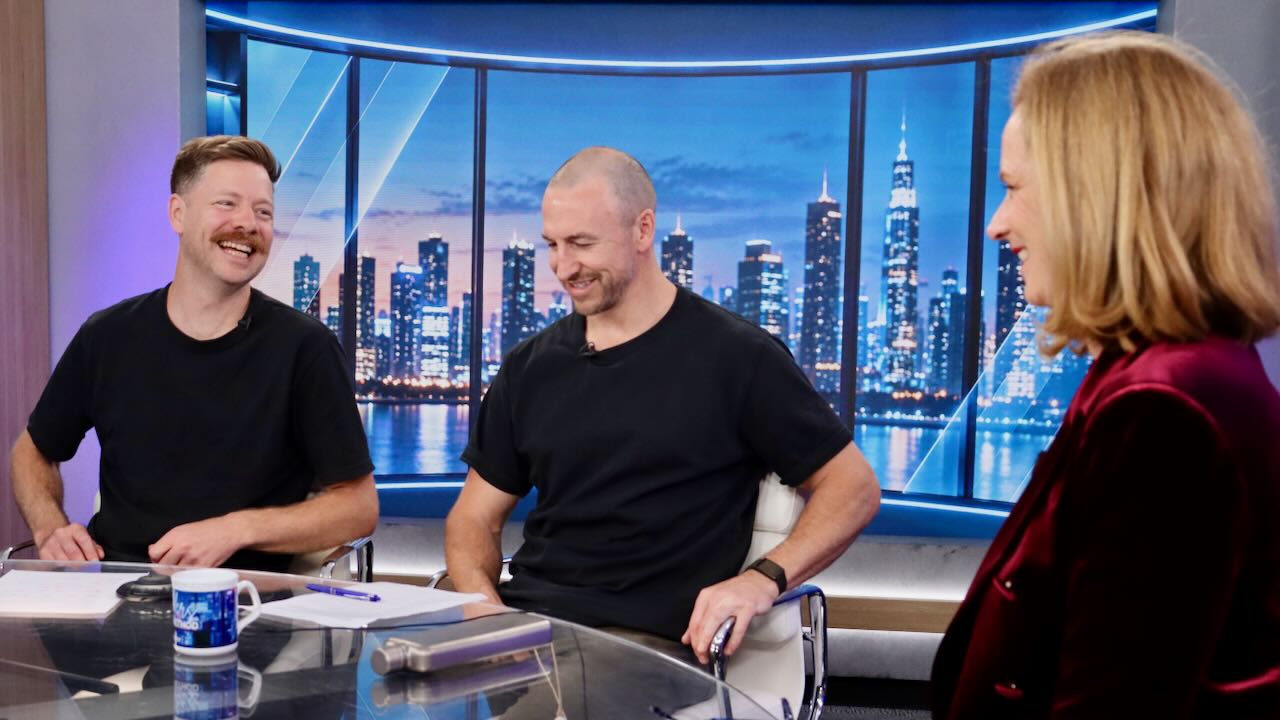
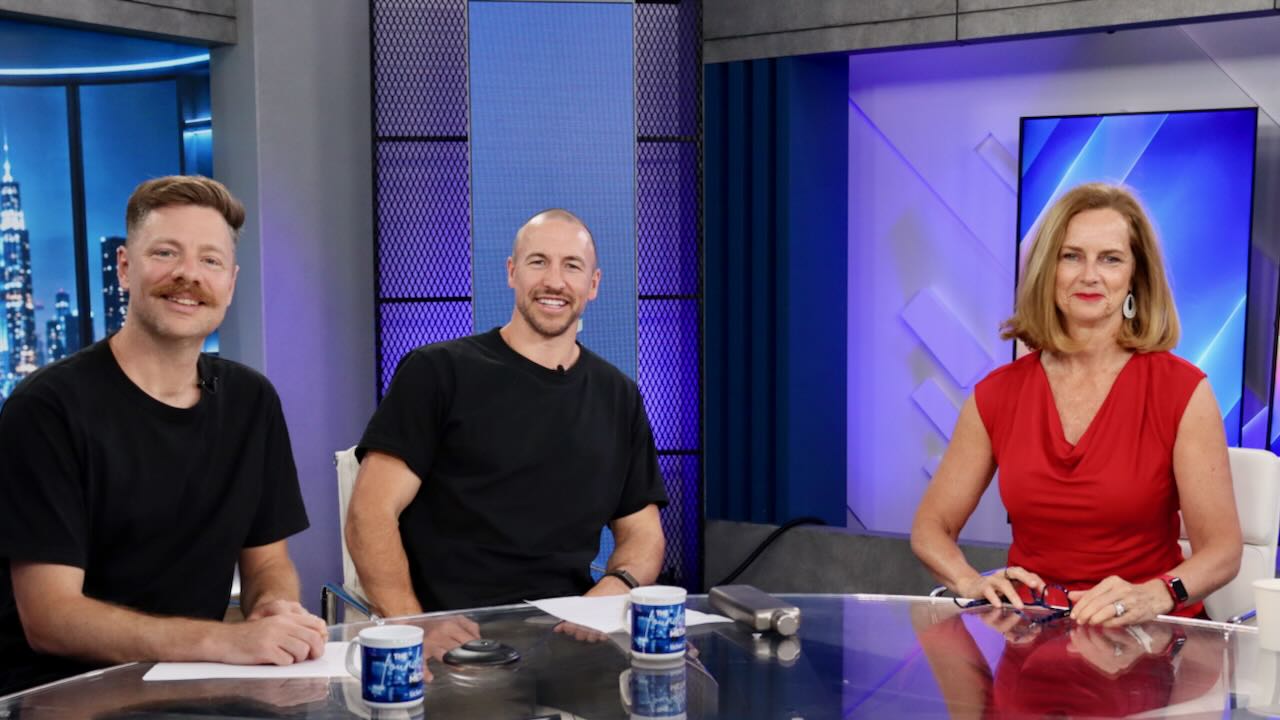
When Jesse Leeworthy and Jono Byrt asked me on The Founders Method what the future of entrepreneurship looks like, I said I'd go and find one number: are people still starting businesses the way they used to?
Are people still starting businesses in Australia?
They are. The ABS counts show 460,461 new businesses entered the Australian economy in 2025-26, up from 437,150 the year before. The total number of actively trading businesses grew 3.1%.
But that headline hides the part I'm worried about. People are still starting businesses. They're cautious about investing and hiring. The number of employing businesses went backwards, from 999,161 in 2024 to 994,178 in 2025. More Australians are going out on their own. Fewer are taking the next step of putting on staff.
Cautious about investing and hiring
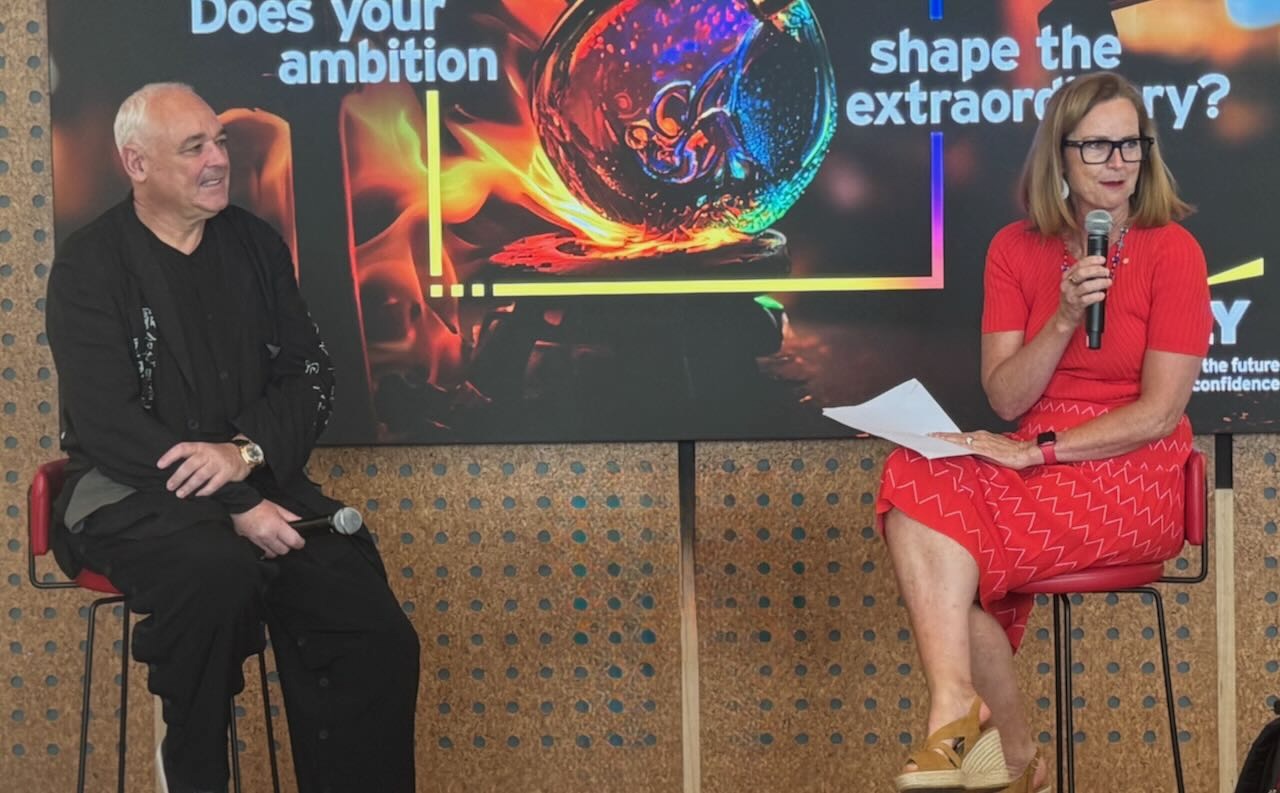
This is my third year judging the EY Entrepreneur Of The Year awards. I've interviewed more than 60 founders, probably closer to 70. It's a real privilege to be a sticky beak and ask them anything.
This year felt different. For the first time, I heard founders say they're worried about the future. Not about their customers. About deploying capital. Will I get a return? Is the world changing under my feet?
When people don't understand the impact of change, they stop making decisions quickly. Everything slows down. And we need innovation in this country.
We're also competing for capital. If an offshore investor finds a better opportunity somewhere else, they're not coming to Australia. I'm seeing our own investment community slow down too. There's a lot going on, and people are holding back.
I feel it in my own business. RedBalloon is a marketing engine for small businesses. If we didn't exist, the hot air balloon operator or the jet boat guy would have to become a marketing expert. We build trust through customer reviews. Will AI take that job over in the future? I don't know. That's the kind of uncertainty every business owner is sitting with right now, and it makes people contract.
Fear and misinformation fill the gap
When rules change quickly and nobody explains them well, fear fills the gap. This year I heard founders repeat things about tax and regulation that simply weren't right. "They're going to take half the business." "Why would you manufacture here?" Whether a rumour is accurate matters less than the fact that people are making decisions on it.
This isn't a political statement. It's what happens when there's too much change too quickly. People get worried, and they stop taking the risks they once would. They delay the hire. They hold off on the new equipment. They wonder whether to build it somewhere else.
So, before you make a big call, get proper advice from your accountant. Not from a headline, and not from a dinner party.
And then, speak up. Business owners need to talk to their local member and tell them the real impact all this confusion is having. It will slow employment. If small business can't employ people, who will? Be a role model. Say what matters, so we keep a vibrant innovation culture in this country.
Pay yourself. Don't repeat my ten unpaid years
When I started RedBalloon, I didn't pay myself for nearly ten years. I tell founders now: don't do that.
You could record the salary you would have earned as a loan to the business. But then there's debt on your balance sheet, and when someone comes to buy, it all gets tangled. "Hang on, I need to be paid ten years of salary first."
We give so much to our businesses for free. And at some point many founders stop and think: I could get a job, earn more money, and have security. I'm hearing that question more than ever.
Purpose is embedded in why people run businesses. We saw it in every finalist. They know it, they see it, they feel it. But at some point you also have to ask, what does my future look like? It has to be financially viable.
Start a business or get a job first?
Young people ask me this all the time. Should I pick a career that's safe from AI, or start a business?
I was on a University of Melbourne advisory board for nearly ten years. I was told the reason they asked me to join was that 60% of undergraduates want to run their own show. They wanted students to see someone who had done it.
But today's graduates can't see clear pathways. So my advice is always the same: go and get a job somewhere first. Learn from somebody else.
I worked for IBM, Apple and Ansett (yes, an airline). I learned systems, processes, HR and finance, and how it all fits together. Every one of those lessons went into RedBalloon.
"But what about my purpose?" It will come. There are times in life when your job is to put food on the table, and that's fine. Purpose changes over time. As long as you're growing and learning, and you're not working somewhere that conflicts with your values, you're on track. Life is long.
And whatever path you choose, people will matter more than ever. I used to hate group assignments at uni. Just let me finish it myself! Now I know why they made us do them. Business is done with people. The skill that will last is getting along with people of different backgrounds and ideas. It's less about what you learn, and more about how you learn and create.
We're even seeing a trend on social media to get off social media. People want the real world. I feel lucky that RedBalloon sits right in that trend.
Growth by acquisition: the strategy I saw everywhere
One of the clearest business growth strategies among this year's finalists was combining organic growth with acquired growth.
We saw roll-ups across industries: lots of small businesses, like engineering firms, brought together on one platform. That's what we did at Big Red Group with RedBalloon.
One founder runs an ASX-listed business building energy infrastructure. He came up to me and said, "Naomi, I watch Shark Tank. I never thought I could just buy other businesses. You showed us how to do it." So there he was, running a massive infrastructure business, acquiring companies that complement it and help it grow strategically.
The acquisition strategy works in two steps. First, organic: get more from what you've already got. Then, once you have that base, ask how you can use it to diversify or to buy more. It was wonderful to see.
What the EY Entrepreneur Of The Year judges look for
People often ask how we choose. There are five things we look for, and they're a useful test for any business.
- Sustainable growth. Not just growth, but growth that lasts.
- Impact. What difference is it making? This isn't only about ESG. Is the world a better place because this business exists?
- Innovation. It's not about inventing the mousetrap. It's making the mousetrap highly efficient and effective, which is exactly what we saw with Laurent Boillon and his bakery.
- Entrepreneurship. Risk-taking, and something harder to name. Is this just a job, or does it have soul? That's why we meet every founder in person rather than only reading applications. It comes through in spades.
- Financials. The business has to be financially stable and making a profit.
For who won this year and the five trends I saw in the judging room, read Australian Entrepreneurs in 2026: Five Trends From the Judging Room.
So, is starting a business in Australia still worth it?
Yes, with your eyes open. I've worked hard for a very long time, and I'm grateful for the impact we've had: the jobs we created, the small businesses we've helped. People ask whether I'd do it again in today's environment. Honestly, I don't know. The world is very different, and I'd be far more circumspect. But I still believe in what we do.
Here's what I'd ask of every business owner. Keep going. Be an advocate for business owners. And more than anything, believe again. I know I sound like Ted Lasso, but you have to believe you can win, and surround yourself with people who'll back you in that game.
We won't have the community we want if people don't start, scale and exit businesses. If it is to be, it is up to me.
Frequently asked questions
Are people still starting businesses in Australia?
Yes. ABS figures show 460,461 new businesses entered the Australian economy in 2025-26, up from 437,150 the year before. But the number of employing businesses fell between 2024 and 2025, a sign owners are cautious about hiring.
Should I start a business or get a job first?
Naomi Simson's advice is to work for someone else first. A job teaches you systems, processes, HR and finance, and how they fit together, before you risk your own money.
Should founders pay themselves?
Yes. Going years without a salary, or recording it as a loan to the business, creates debt on the balance sheet that complicates any future sale.
What do EY Entrepreneur Of The Year judges look for?
Five things: sustainable growth, impact, innovation, entrepreneurship (risk-taking and the soul of the business), and financial stability and profit.
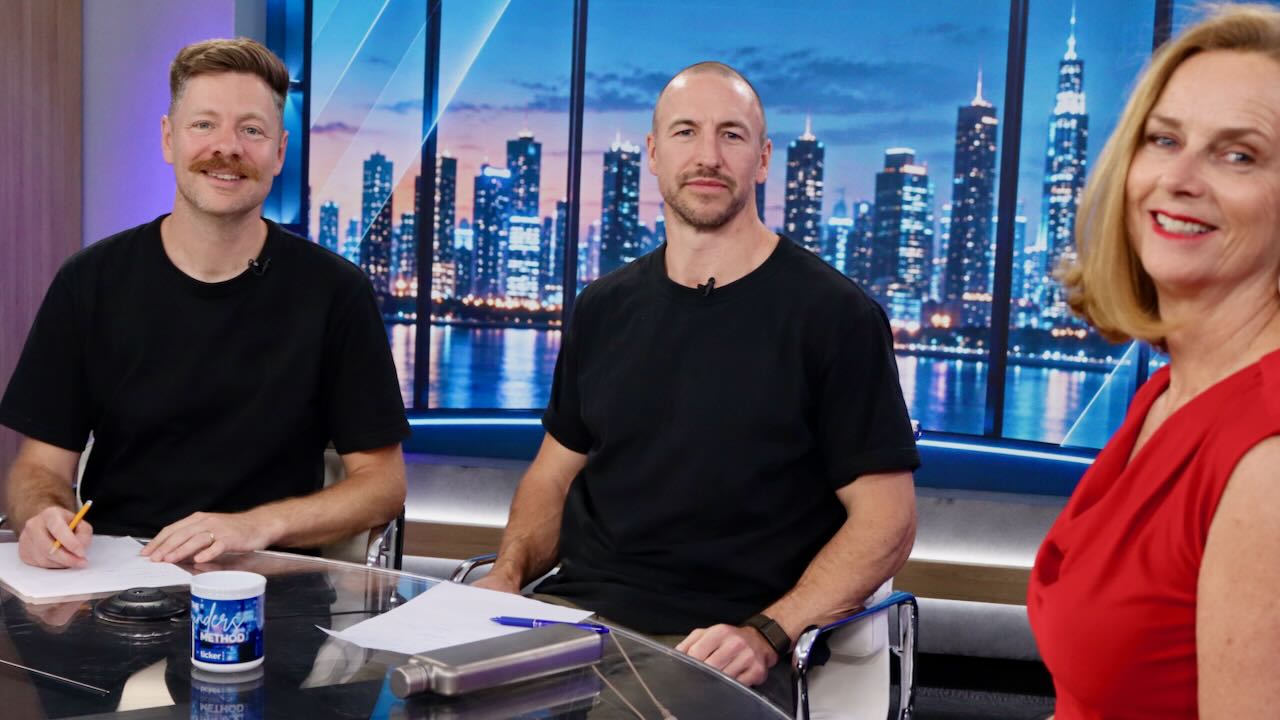
Watch my conversation with Jesse Leeworthy and Jono Byrt on The Founders Method from Ticker. .
If you would like this material for your next leadership event, enquire about Naomi speaking.