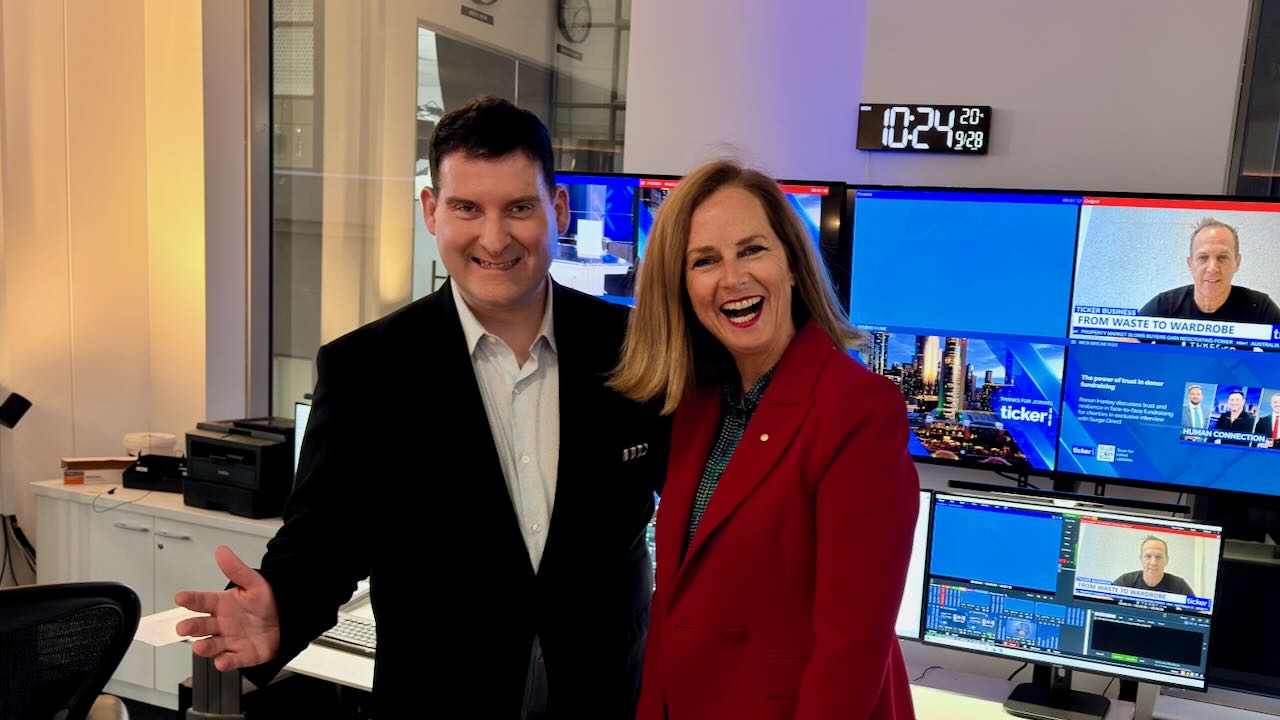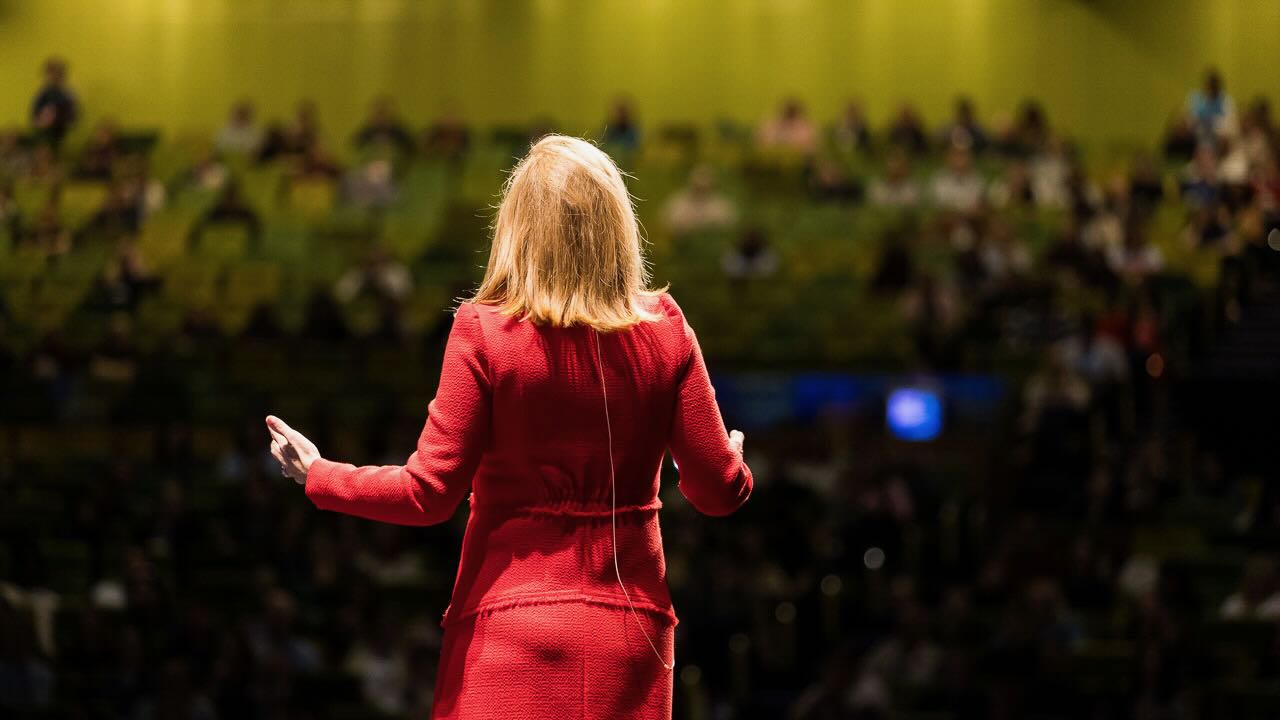
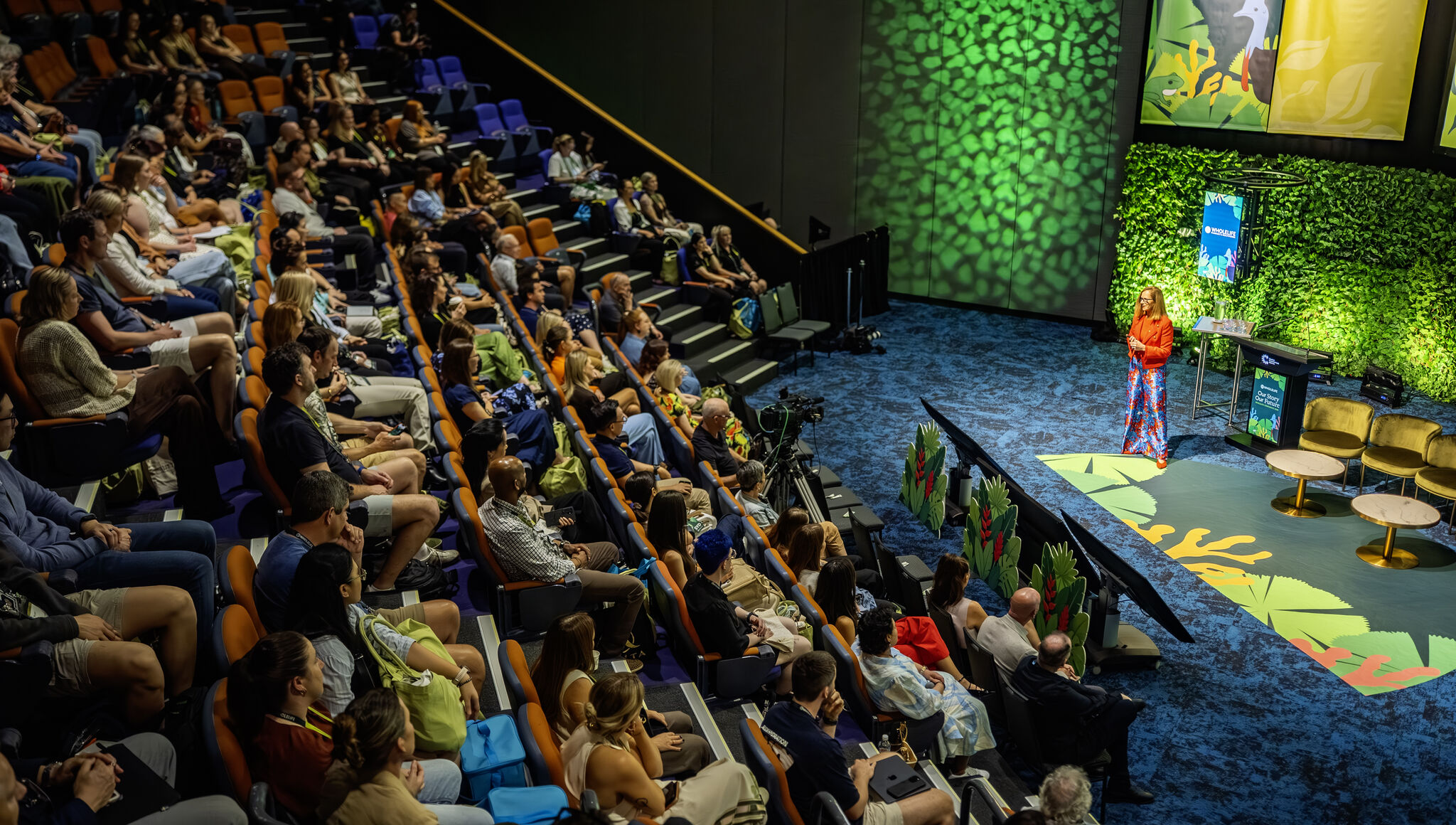
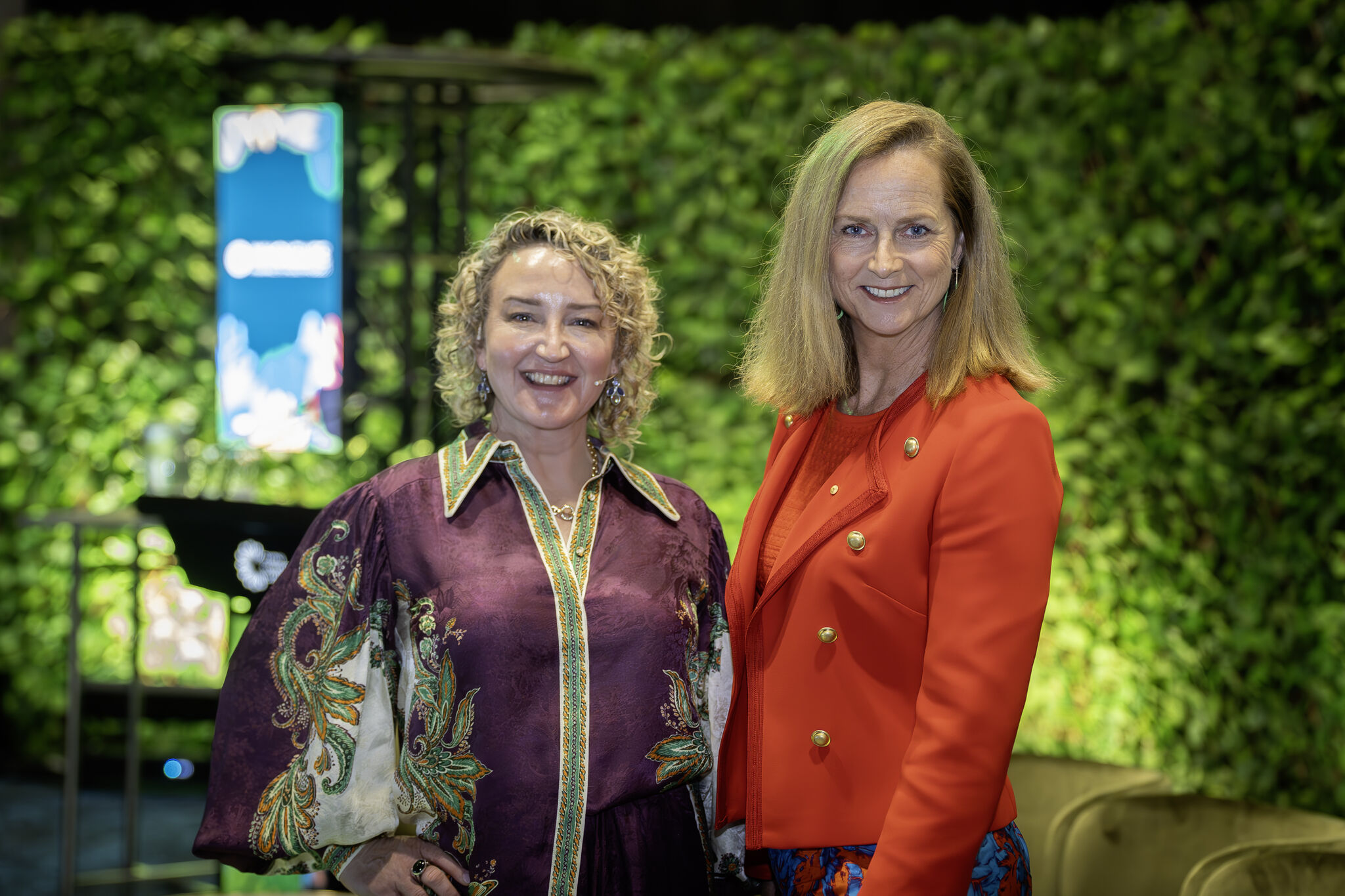
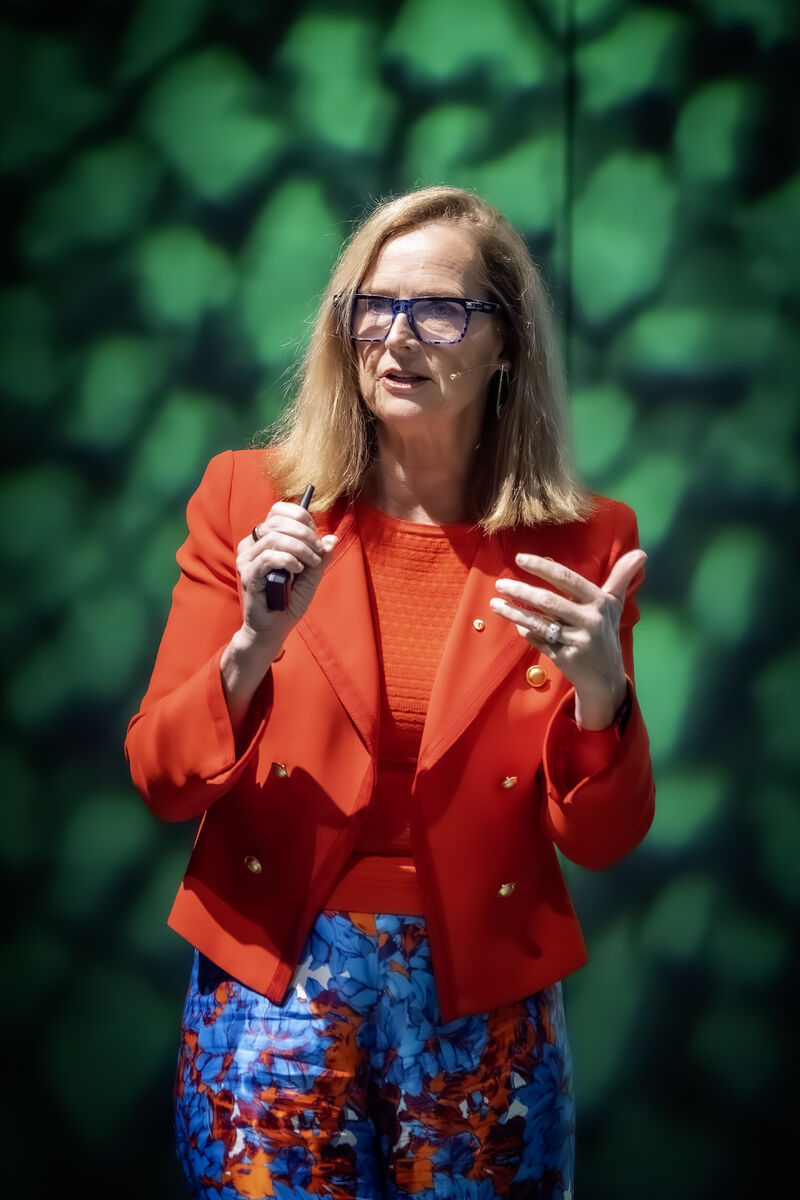
I stepped off the stage in Cairns, still holding the mic, and Shane Jacobsen was already walking back on to close out the session for the Community Broker Network. The room was full of business owners who had flown in from all over the country, and I could feel the energy had shifted during my session. Shane asked for questions and I knew by both the quantity and quality of what was asked - they were with me. I had delivered the final keynote and they were set to go off back into their businesses for another year until their next conference.
The bar had been set high before I even walked on. This was a room of experienced brokers, people who make their living reading other people, and they were not there for platitudes. What they responded to was not hype. It was stories about relationships, relevance, and the quiet discipline of building community with your customers, one conversation at a time.
It was the second Cairns audience I had stood in front of that fortnight. A week earlier I had spoken to a very different room, for Wholelife. Different industry, different size, same venue same city. And the same word kept turning up in the feedback from both.
Why "inspirational" is the word that matters
Motivational and inspirational get used interchangeably, and I understand why. Both describe an experience of being lifted, of leaving a room feeling different from when you walked in. But they're not the same thing, and event organisers who care about outcomes should know the difference.
Motivational is a feeling. It's the high of a great session, the adrenaline of a room clapping, the sense that anything is possible right now. It's real, and it matters, but it fades. By Monday morning the inbox has won, and the feeling is a memory.
Inspirational is different. Inspirational turns a feeling into action. It gives someone a specific idea they can use in their next team meeting, a way of seeing a customer conversation they hadn't considered, or the courage to have a hard conversation they've been avoiding. Inspirational sticks because it's tied to something practical, something the audience can do.
I collect feedback at the end of akeynote, every single one. It's a habit I built from years of running RedBalloon, where customer feedback as a growth discipline was not optional. I ask the room to scan a code and tell me what worked, what didn't, and what they'll do next. Not for ego. Because there may be gold in there, and there almost always is.
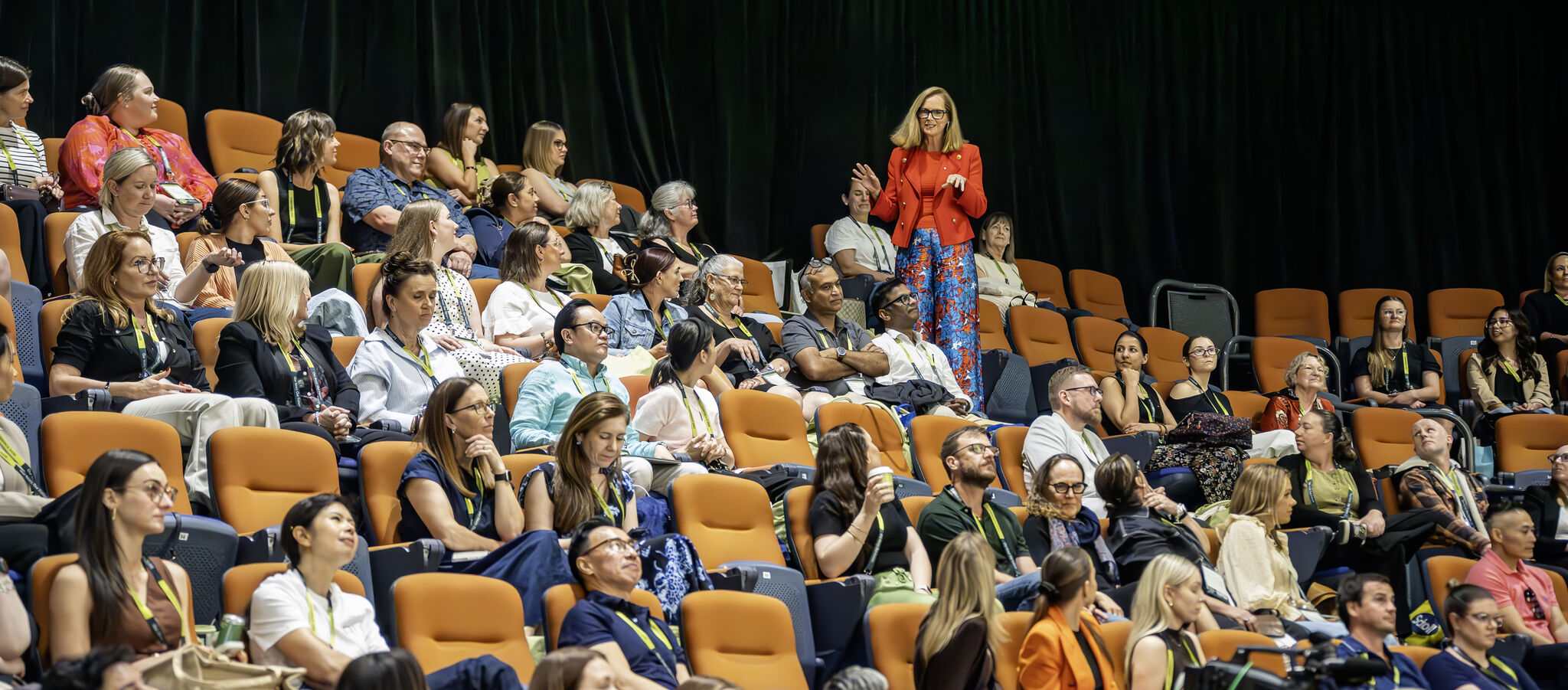
What two Cairns rooms told me, nine days apart
What the Community Broker Network room told me afterwards is what stayed with me: 100% said the session was valuable, 100% said they would hear the speaker again, 97% found it engaging, 97% found it relevant, and 95% found it actionable.
A week earlier, the Wholelife room, smaller and in a very different industry, told a near-identical story: 100% valuable, 100% would hear the speaker again, 95% engaging, 95% relevant, 90% actionable.
The metric I care about most in both is the last one. Actionable is the whole point. If people leave a room energised but with nothing to do differently, the room has been entertained, not changed.
The verbatim comments told me more than the scores did. From Wholelife, Emma wrote, "I felt your talk was very relevant for the current economic climate and staying present for customers." That's the point. Relevance in 2026 is not about referencing yesterday's headline; it's about naming the pressure people are under and giving them a lens on it.
From the Community Broker Network room, James put it simply: "real life stories that resonate with business owners." Wendy referenced the start of a business and the RedBalloon journey, and how it reminded her how important that first client is. That's a lesson I still carry, and I share it because it earned its place. Ins called it "excellent education and good value." Peiran, from Fundsec, spoke about hearing a successful entrepreneur's real experience of building unique customer experiences.
And there it was again, from a completely different audience, nine days apart: Melly at Wholelife wrote, "Inspiring session!! Loved it!!" Unprompted, from a different industry, a different room size, a different week. That pattern, appearing twice, independently, is the story.
What makes a professional speaker right
Here's a frame I'd offer any organiser building a shortlist. A motivational speaker can fill a room with energy for an afternoon. An inspirational speaker leaves a room with something it'll still be using in a fortnight. The first is a cost. The second is an investment, and it's one worth paying for. If money has been spent on the production and travel - it has to be worth the investmwent in both time and money.
A speaker whose stories are still being quoted in your team's stand-ups a fortnight later has paid for themselves many times over, in ways that are hard to put on an invoice but easy to feel in the room. When you're weighing up a speaker fee, the question worth asking is not "what's the cheapest option that fills the slot," but "what is this audience's time worth, and who will make sure it wasn't wasted." It is why I challenge people to reflect on what they will action.
Twenty-five years in, I still don't take it for granted that a room full of strangers will give me forty-five minutes of their attention. That's not a small thing to be trusted with, and it's the reason I keep asking for feedback rather than assuming I already know what worked.
The topics that move a room
The brief changes from event to event. Sometimes it's customer experience for a retail audience, sometimes it's leadership through change for a services firm mid-restructure, sometimes it's entrepreneurship for a room of founders trying to work out whether to raise capital or reinvest. No matter it is always about the real, both good and bad stories that people remember.
The through-line doesn't change. It's always relationships, staying relevant, and building community. Whether I'm speaking on customer obsession or entrepreneurship from scratch, the core truth holds. Businesses are built on trust between people, and trust is built one specific, useful interaction at a time.
If you're planning a conference in Australia
If you're shaping the brief for a conference, a summit, or an industry association event, let's have a conversation. I'd rather understand what you want your audience walking away doing differently - no engagement or audience are ever the same.
Queensland audiences have been particularly generous this year, two rooms in Cairns alone this fortnight, but engagements span every state, and for the right brief I travel internationally.
If it is to be, it is up to me. That's always been my motto, and it shapes how I prepare for every room. Your job as an organiser is to pick the speaker whose stories will still be quoted in your team's stand-ups in a fortnight. My job is to earn that.
Frequently asked questions
What's the difference between a motivational speaker and an inspirational speaker?
A motivational speaker generates energy in the room, a feeling that often fades before the week is out. An inspirational speaker creates a feeling that turns into action: the kind that changes how someone leads their team on Monday morning. The distinction is whether the audience leaves with something they'll use.
How do I choose the right keynote speaker for my Australian conference?
Look for a speaker whose stories are genuinely relevant to your audience's industry and challenges, who collects feedback from every room they work in, and who can demonstrate real post-event impact, not just high-energy moments. Ask for verbatim audience feedback, not just testimonials polished for a website.
Is a great keynote speaker worth the investment?
The right speaker changes what a room does after the event, not just how it feels during it. That kind of impact is worth paying for, and it's worth weighing against the cost of a forgettable session that fills the slot but leaves nothing behind. The best starting point is a conversation about your event, your audience, and what success looks like for you.
What topics does Naomi Simson cover as a keynote speaker?
The core themes are customer experience, leadership through change, entrepreneurship, and building a business from nothing, though the through-line across all of them is relationships, staying relevant, and building communities that hold when things get hard. The specific brief shapes the angle; the real stories remain constant.
Is Naomi Simson available for conferences outside Queensland?
Yes. Speaking engagements span all Australian states and, for the right event, New Zealand and international destinations. The best starting point is a conversation about your event brief, your audience, and what you want them to walk away doing differently.